How to Choose the Right Toothbrush for Your Family

skatragadda09 • December 28, 2025

Choosing the right toothbrush for your family might seem like a simple task, but with the overwhelming variety of options available today—from manual to electric, soft bristles to firm, children's to adult sizes—making the best choice can feel surprisingly complex. The toothbrush you select plays a fundamental role in your family's oral health, affecting everything from how effectively you remove plaque to how comfortable and consistent your daily brushing routine becomes. Understanding the key factors that matter most helps you make informed decisions that benefit every member of your household.

Understanding Bristle Types: Why Soft Is Usually Best

The bristle firmness of your toothbrush significantly impacts both the effectiveness of your cleaning and the health of your teeth and gums over time. While it might seem logical that firmer bristles would clean more thoroughly, dental professionals overwhelmingly recommend soft-bristled toothbrushes for most people, including adults and children. Soft bristles effectively remove plaque and food particles while being gentle enough to protect your tooth enamel and gum tissue from damage that can occur with aggressive brushing.

Medium and hard-bristled toothbrushes can actually cause more harm than good in many situations. Brushing too vigorously with firm bristles can wear away your tooth enamel over time, leading to increased sensitivity and making your teeth more vulnerable to decay. Hard bristles can also irritate and damage your gum tissue, potentially causing recession where the gums pull away from the teeth, exposing sensitive root surfaces. This is particularly concerning because gum recession is irreversible without surgical intervention, and it increases your risk of root decay and tooth loss over the long term.

The American Dental Association specifically recommends soft-bristled toothbrushes for these protective reasons. The softness refers to the bristle material's flexibility, not its cleaning ability—soft bristles can still thoroughly clean your teeth when used with proper technique and adequate brushing time. If you currently use a medium or hard-bristled toothbrush and notice bleeding gums, tooth sensitivity, or visible gum recession, switching to a soft-bristled option is an important step in protecting your oral health.

For children, soft bristles are especially crucial since their tooth enamel is still developing and more vulnerable to damage. Teaching kids proper brushing techniques with a soft-bristled brush sets them up for a lifetime of healthy oral care habits without inadvertently causing damage to their developing teeth and gums.

Manual vs. Electric: Weighing the Benefits

The debate between manual and electric toothbrushes is ongoing, but research consistently shows that both can be highly effective when used correctly with proper technique and for the recommended two minutes, twice daily. The best toothbrush for your family ultimately depends on individual preferences, dexterity, oral health needs, and budget considerations rather than one type being universally superior to the other.

Manual toothbrushes offer several practical advantages that make them the choice for many families. They're significantly more affordable, typically costing just a few dollars each, making it easy to replace them every three months as recommended. They're portable and convenient for travel since they don't require charging or batteries. Manual toothbrushes also give you complete control over the brushing pressure and technique, which can be beneficial once you've developed good brushing habits. For families on a budget or those who prefer simplicity, high-quality manual toothbrushes are perfectly effective for maintaining excellent oral health.

Electric toothbrushes, particularly those with oscillating or sonic technology, provide distinct benefits that make them worth considering despite the higher initial investment. The powered bristle movement does much of the cleaning work for you, which can be especially helpful for people with limited manual dexterity due to arthritis, disabilities, or developmental conditions. Studies have shown that electric toothbrushes can be more effective at reducing plaque and gingivitis compared to manual brushing, particularly for users who struggle with proper technique. Many models include built-in timers that ensure you brush for the full two minutes, and pressure sensors that alert you if you're brushing too hard, features that can significantly improve your brushing effectiveness.

For children, electric toothbrushes can make oral care more engaging and fun, encouraging better compliance with daily brushing routines. The novelty of the vibration and the timer features can transform brushing from a chore into an activity kids actually look forward to, establishing positive associations with oral hygiene from an early age. However, introducing electric toothbrushes to very young children should be done gradually, as some find the sensation overwhelming initially.

Size and Shape Matter: Finding the Right Fit

The size and shape of your toothbrush head significantly affect how well you can reach all areas of your mouth and clean effectively. A toothbrush that's too large makes it difficult to maneuver into tight spaces, around back molars, and along the gum line, leaving food particles and plaque behind in hard-to-reach areas where decay and gum disease often begin. Conversely, using a toothbrush that's appropriately sized allows you to access every surface of every tooth with ease and precision.

Adult toothbrushes typically have head sizes ranging from about half an inch to three-quarters of an inch wide. Dental professionals generally recommend choosing a toothbrush with a smaller head size—roughly half an inch wide and one inch long—as this allows better access to the back teeth and makes it easier to clean the inside surfaces of your teeth near your tongue. If you have a smaller mouth or find yourself struggling to reach your back molars comfortably, opting for a compact head size can make a significant difference in your cleaning effectiveness and comfort.

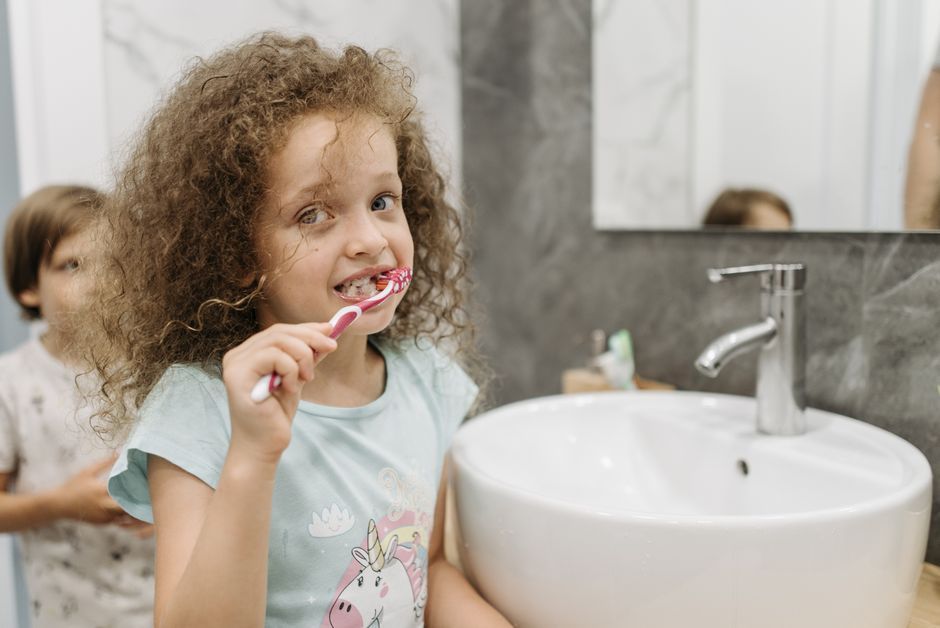
For children, using age-appropriate toothbrush sizes is essential for both comfort and effectiveness. Children's toothbrushes feature smaller heads and shorter handles designed specifically for their developing mouths and smaller hands. Using an adult-sized toothbrush on a child can make brushing uncomfortable and less effective, potentially leading to inadequate cleaning and negative associations with oral hygiene. Many children's toothbrushes are clearly labeled with age recommendations—typically categories like infant/toddler (0-2 years), preschool (2-5 years), and school-age (5+ years)—making it easier to select the appropriate size as your child grows.

The handle design also deserves consideration, especially for children, elderly family members, or anyone with grip difficulties. Look for handles with non-slip grips that are comfortable to hold and easy to maneuver. For young children still developing their fine motor skills, toothbrushes with thicker, cushioned handles can make it easier for them to maintain proper grip and control during brushing.

When to Replace Your Toothbrush

Knowing when to replace your toothbrush is just as important as choosing the right one initially. Even the highest-quality toothbrush becomes less effective over time as the bristles wear down, fray, and lose their shape and flexibility. Worn bristles can't clean effectively between teeth and along the gum line, leaving behind plaque and bacteria that contribute to decay and gum disease. Using a worn-out toothbrush is essentially compromising your oral hygiene despite maintaining your regular brushing routine.

The American Dental Association recommends replacing your toothbrush every three to four months, or sooner if the bristles become visibly frayed, discolored, or bent. This timeframe applies to both manual toothbrushes and the replaceable heads on electric toothbrushes. Setting a regular replacement schedule—perhaps at the start of each season or marking your calendar—helps ensure you don't continue using an ineffective toothbrush simply because you've forgotten how long it's been since you last replaced it.

You should also replace your toothbrush immediately after recovering from a cold, flu, or other illness. While research on whether toothbrushes can actually re-infect you with the same illness is mixed, the bristles can harbor bacteria and viruses during your illness. Replacing your toothbrush after being sick is a simple precaution that provides peace of mind and ensures you're starting fresh with clean bristles. For families where multiple people share a bathroom, keeping toothbrushes separated and avoiding contact between brush heads helps prevent cross-contamination and the spread of germs.

Children may need to replace their toothbrushes even more frequently than adults because they often brush more aggressively, causing faster bristle wear. Teaching children to use gentle pressure and proper technique helps extend the life of their toothbrush while also protecting their developing teeth and gums from damage. Involving kids in picking out their new toothbrushes when it's time for replacement can make the process more enjoyable and help them understand the importance of maintaining fresh, effective oral care tools.

Special Considerations for Different Family Members

Different family members have unique oral health needs that may influence toothbrush selection. For people with braces or other orthodontic appliances, special orthodontic toothbrushes with V-shaped bristles can more effectively clean around brackets and wires. These specialized brushes have a design that allows the bristles to reach both above and below the orthodontic hardware, ensuring thorough cleaning despite the additional obstacles in the mouth. Interdental brushes and water flossers can also be valuable additions to the oral care routine for anyone with braces.

For family members with sensitive teeth or gums, look for toothbrushes specifically marketed for sensitivity, which typically feature extra-soft bristles and sometimes specialized bristle arrangements designed to be particularly gentle. Some electric toothbrush models include sensitive cleaning modes that operate at lower speeds and with gentler vibrations, providing thorough cleaning while minimizing discomfort. If you're experiencing tooth sensitivity, it's important to schedule a dental check-up to identify and address the underlying cause, whether it's worn enamel, gum recession, or another issue requiring professional attention.

Elderly family members or those with limited mobility due to arthritis, Parkinson's disease, or other conditions may benefit significantly from electric toothbrushes since the powered bristles reduce the fine motor control needed for effective brushing. Some electric models feature larger, easier-to-grip handles designed specifically for users with dexterity challenges. For caregivers assisting others with brushing, the powered cleaning action of an electric toothbrush can make it easier to ensure thorough cleaning even when the person receiving care has limited ability to participate actively in the brushing process.

Additional Features Worth Considering

Beyond the basics of bristle type and size, modern toothbrushes offer various features that can enhance your brushing experience and effectiveness. Built-in timers, available on many electric models and even some manual toothbrushes through smartphone apps, help ensure you brush for the full two minutes recommended by dental professionals. These timers often include quadrant pacing that signals when to move to a different section of your mouth, ensuring equal attention to all areas rather than spending too much time on easily accessible front teeth while neglecting the back molars.

Pressure sensors on electric toothbrushes provide valuable feedback by alerting you—typically through a light or vibration change—when you're brushing too hard. This feature is particularly helpful because many people unknowingly apply excessive pressure, thinking harder brushing equals cleaner teeth, when in reality it's causing unnecessary wear on enamel and potential gum damage. Learning to use gentler pressure through the immediate feedback from a pressure sensor can protect your oral health in the long term.

Some electric toothbrushes offer multiple cleaning modes such as daily clean, sensitive, whitening, and gum care, allowing different family members to customize their brushing experience based on their specific needs and preferences. This versatility can make a single electric toothbrush system (with individual brush heads for each person) serve the diverse needs of your entire family. Bluetooth connectivity in certain models allows you to track your brushing habits through smartphone apps, which can be particularly motivating for children and teenagers who respond well to gamification and progress tracking.

Making the Best Choice for Your Family

Selecting the right toothbrush for each family member doesn't have to be overwhelming once you understand the key factors that matter most for oral health. Start with the fundamentals: soft bristles for virtually everyone, appropriate size for each person's mouth, and a comfortable handle design that encourages proper technique. From there, consider whether manual or electric better fits your family's needs, preferences, and budget, keeping in mind that both can be highly effective with consistent, proper use.

Don't hesitate to experiment with different options to find what works best for each person in your family. Children may have strong preferences for certain colors, characters, or features that make them more enthusiastic about brushing, and accommodating these preferences when they don't compromise oral health can significantly improve compliance with daily oral care routines. For adults, comfort and effectiveness should guide your choice, and investing in an electric toothbrush may be worthwhile if it improves your brushing consistency or addresses specific challenges you face with manual brushing.

Remember that even the best toothbrush is only effective when used properly, so make sure all family members understand correct brushing technique: holding the brush at a 45-degree angle to the gums, using gentle circular motions, brushing all surfaces of each tooth, and dedicating the full two minutes to thorough cleaning. Combine your toothbrush selection with daily flossing and regular dental check-ups to maintain optimal oral health for your entire family.

Conclusion: Invest in Your Family's Oral Health

The right toothbrush is a simple yet powerful tool in protecting your family's oral health and preventing common dental problems before they develop. While the variety of options available can seem daunting, focusing on proven fundamentals—soft bristles, appropriate sizing, and proper replacement timing—ensures you make choices that benefit everyone's teeth and gums. Whether you opt for manual or electric, expensive or budget-friendly, the most important factors are consistent use with proper technique and making oral care a priority in your family's daily routine.

Taking the time to select appropriate toothbrushes for each family member demonstrates that you value their health and wellbeing. By making informed choices and teaching children the importance of quality oral care tools and techniques, you're investing in a lifetime of healthy smiles. If you have questions about which toothbrush options would be best for your family's specific needs, your dental professional can provide personalized recommendations based on your oral health history and goals.
By skatragadda09 January 1, 2026
Looking for a dentist in Lynnfield, MA? Start 2026 with confidence! Discover why January is the perfect time to visit Lynnwood Family Dental and learn essential dental resolutions that will transform your smile this year.
By Gerald M June 22, 2019
Summer is finally here, and many people are finally going on their long-awaited vacations. Of course, nobody wants to have an issue with their teeth when they are away from home but being prepared for this type of issue can help you deal with it faster and get back to your vacation. Here are a few tips on how to handle a dental issue while you are on vacation. They always say that the best defense is a good offense. Make sure that you are up to date on your dental checkups before you leave on vacation. This will help you identify any small issues with your teeth that have the potential to turn into major problems while you are away. Not only will you have more peace of mind, but your dentist will have updated records just in case you do run into trouble. Of course, emergencies sometimes occur, even when you have taken all the right steps to prevent them. Keep contact information for your dentist with your travel documents and make sure that you have the office number in your phone. In many cases, your dentist will be able to help you solve your dental problem over the phone and help you get comfortable until you can come home and have an appointment. If you are out of the country, getting the dental care you need may be a bit more complicated, but it is still possible. Contact the US embassy to find a dentist who was trained in the United State. Cruise ships and resort hotels often have a list of providers for emergency dental services. Ask the concierge to help you set up an emergency appointment. When you are out of the country visiting friends or family, go with their best recommendation for dental care. In the hustle and bustle of preparing for a vacation, we often forget something as simple as packing a toothbrush. If you are stuck without a toothbrush and nowhere to get one, you can still take simple steps to clean your teeth. Rinse thoroughly with water to remove bacteria and sugars from the surface of your teeth. You can also put toothpaste on a washcloth until you are able to locate a proper toothbrush. When you do track one down, an ADA approved toothbrush is best but, if that isn’t possible, try to find one with soft bristles. Most of your favorite toothbrush brands can be purchased in any area of the world. Make sure that when you do pack your toothbrush, you do it with care. When we are at home, our toothbrushes have a chance to dry out. Bacteria won’t grow in a dry environment because it needs moisture to live. However, if you brush your teeth right before you leave, you might not have time to let it dry before you need to pack it. In this case, put your toothbrush in a clean plastic bag and keep it away from other items in your suitcase. As soon as possible, take your toothbrush out so that it can dry completely. Sugarless gum is one of the most important things you can keep on you for your dental health while you are traveling. For one thing, it will offer much-needed relief if you experience ear pressure during a plane takeoff or landing. However, sugarless gum can also help reduce your risk of cavities. If you are indulging in a lot of sweet treats during your vacation, chew a piece of sugarless gum afterward to protect your teeth. If you have a crown or bridge in your mouth that becomes loose during vacation, you can use sugar-free gum as a temporary hold until you can get to a dentist. It can also help as a temporary solution for tooth sensitivity when you’re on the road. Remember that not all areas where you travel will have water that is ideal for brushing your teeth. If you aren’t sure, pour bottled water onto your toothbrush instead. You do not want to have your vacation ruined by an illness as a result of ingesting contaminated local water. After your vacation, get right back to your normal oral hygiene routine. Spend some extra time brushing and flossing to make up for any lapses during your trip. Get back to healthy eating habits. There is no problem with indulging on vacation if you can get back to your normal habits when you get home. Looking for a Lynnfield, MA dentist ? Lynnwood Family Dental is now accepting new patients. For more information about our services or to request an appointment, click here .
By Gerald M June 15, 2019
We all know how expensive raising a family can be in today’s world. When you start adding dental bills into the mix, the costs can really start to get out of hand. Unfortunately for most parents, it is a do as I say world, but that is not how children work. They are like sponges and watch every move we make. More importantly to realize is the fact because parents are literally their world, they try to emulate everything mom and dad do as well. Keep that in mind when it comes to your oral health regimen because you need to set the example for your children and show them how to properly care for their teeth the moment they understand tasks like brushing and rinsing. Here are some tips to help ensure you keep your child’s dental health in check and maybe yours as well: Don’t Miss Dental Appointments – this is literally the most basic of oral hygiene regimens. You simply cannot afford to miss a dental appointment because what often happens is you start to become afraid to go for fear of what you may find out. Keep the appointment, period. Sweets Between Meals – ideally, you avoid sweets. But, let’s face facts, we like them just as much as our children do. When picking snacks for the children, try to pick snacks that are healthy and hand them a bottle of water with the snack. Instead of candy, try some frozen grapes or blueberries. Make a game of swishing water around in the mouth after they are done eating to reduce the residue on their teeth. That will suffice until you can get them home to brush. Drinks Before and After Bed – if you are like me, you tend to take a drink to bed with you. For many parents, this often means some type of fruit juice in a sippy cup for the children, which is a big mistake. All the sugar in the drink will be sitting in their mouth all night long eroding away at the tooth enamel. The nighttime drink should be water, period. Brushing Before Bed – getting kids to brush their teeth before bed can be a nightmare, but it is a must to ensure good oral health. Today, there are numerous children-themed toothpastes as well as cool toothbrushes that can be used to make it fun. Put an egg timer on the sink and if they brush for the entire two minutes, give them a reward. You have to make them want to brush their teeth because this is a habit that will last them a lifetime. Do you need to make a dental appointment for your children? If you are looking for a Lynnwood NH, dentist , Lynnwood Family Dental is accepting new patients. For more information about our services or to request an appointment, please click here .
By Gerald M June 8, 2019
If you make regular dental visits, you may sometimes notice your teeth are a bit more sensitive after getting treatment. These sensations usually fade over time, however, there are times when that sensitivity continues without abating. Today, we are going to look at how and why this happens as well as what you can do to address it. Deep Cleaning Will Impact Sensitivity For most people, the bi-annual visit to the dentist means the removal of bacteria under the guns and tartar that has calcified on and between the teeth. The dentist or oral hygienist will use a regular pick as well as a small water pressure tool to remove this. For more severe cases, a root planing is done, usually in quadrants (generally, you are also given a local to numb the area being cleaned). When this is done, is it not uncommon to experience sore gums, bleeding gums, and extra-sensitive teeth, especially after a planing is conducted. One of the reasons the teeth will often feel a bit more sensitive is because the plaque has been removed from the surface. These parts of the tooth are once again exposed to the elements. In a normal situation, the extra sensitivity should start to subside in a day or so, and everything should be normal within a few days, a week at the longest. As you brush your teeth, carefully, throughout the week, this will actually help the situation along. In the meantime, avoid eating excessively cold or hot food. When possible, use a straw to drink your liquids to avoid direct contact with the teeth. If the problem persists, however, you should contact your dentist to alert him or her of the situation. Taking Care of Teeth After a Deep Cleaning It is important to understand that even though you may be experiencing some extra sensitivity from your teeth and gums, you still need to maintain a regular oral health regimen, however, there will be some moderate changes in the usual activity. For instance, you should avoid flossing for a day or so to allow the gums to recover. If, however, you have a water flosser, you can reduce the setting and use it to massage the gums and remove loose particles from between the teeth. When brushing your teeth, be sure to use a tooth brush with soft bristles so as not to aggravate the situation further. As mentioned above, avoid liquids of extreme temperature and use a straw to drink when possible. Are you in need of a dental cleaning? If you are looking for a Lynnwood NH, Dentists , Lynnwood Family Dental is accepting new patients. To learn more about our service or to schedule an appointment, please click here .
By Gerald M June 2, 2019
For many individuals, their next dental appointment may be their first. A far too common thought process is if you are brushing twice daily and flossing, there is simply no need to go to the dentist. That, obviously, is wrong. Regardless of how strict of an oral hygiene regimen you have on your own, bi-yearly dental visits are imperative to ensure good oral health. Now, since it may have been some time since you last visited a dentist or it is your first visit, here are some tips on how to prepare for a visit to the dentist’s office: Learn How to Brush Properly For as long as most of us can remember, we have been brushing our teeth. The question is, though, are you brushing your teeth the right way? Here are the basics in how to brush your teeth properly: · Use soft-bristled brush · After adding toothpaste to the brush, place the brush at the gumline at a 45-degree angle and brush gums before brushing your teeth · When done along the gumline, focus on brushing the front of the teeth before doing the rear · The brush should move vertically across the teeth rather than horizontally (this helps remove plaque from all angles) · Ensure you reach the rear of your mouth to brush the molars (which are often missed, creating the biggest problems for dental visits) Flossing Properly After you have brushed and rinsed, it is time to floss. This will ensure the small food particles left behind and wedged between teeth and under gumlines are removed. Start flossing at the rear bottom, slipping the floss between the teeth and gently moving it upwards. Once the lower level is done, repeat the process on the upper level. For even better results, invest in a water flosser, as they are far more effective than using standard floss. Using Mouthwash The use of a proper mouthwash is just as vital as the first two steps. Today, there are so many varieties and brands, it is virtually impossible not to find something both effective and palatable. You may want to discuss a specific brand with your dentist to ensure you are using a mouthwash most compatible with your needs/concerns. When rinsing, swish a small amount of mouthwash around vigorously for about a minute, then spit out. Looking for a new L ynnfield NH dentist? Lynnfield Family Dental is now accepting new patients and we would love for you to become part of our dental family. For more information about our services or to make an appointment, please click here .
By Gerald M May 29, 2019
Now that the warmer weather is saturating the country, the consumption of sugary drinks is going to escalate considerably. Be it sweet tea or a sports drink or soda pop, people will be tossing them down to quench their thirst and battle the heat. With each sip, though, depending on the type of drink being consumed, you could be doing considerable damage to your teeth. Sure, it may take some time to come to fruition, but all that sugar will take a toll. Defining ‘Sugary’ Drinks It is very important to make note that even some drinks deemed healthy can actually do damage if the proper oral hygiene regimen is not in place. In this particular category, fruit drinks come to mind. Drinks like orange juice, cranberry juice, and smoothies fall into this category. While they may be “healthy” drinks, they also happen to be loaded with sugars. The Damage Whenever you toss down one of these sugar-packed drinks, you are unleashing the sugar on your teeth. While you may believe you have swallowed every ounce of the drink, rest assured, remnants of it are left behind on the surface of the tooth. When this happens, the bacteria in your mouth meant to consume the sugar are also doing damage to the surface of the tooth, eating away at the enamel. Eventually, that enamel gets weaker and we see the beginnings of a cavity forming. Avoiding the Damage of Sugary Drinks The obvious answer here is to cut out sugary drinks altogether, but that is not realistic, especially for health enthusiasts and athletes. For many people, those sugary drinks are the difference in completing the long run or ride and bonking out. Luckily, there are a few things you can do to minimize the damage done and keep the risk of cavities to a minimum. Today, there are several options for rinsing your mouth on the go. Listerine is now selling “portable” chews that can be used. When you are really in a crunch, simply take some water and swish it around in your mouth to get as much of the sugar off your teeth and out of your mouth as possible. For athletes, simply carry an extra bottle filled with water and sip that after sipping on your sports drink. If you have been putting off going to the dentist, now is the time to get your oral health back on track. If you are in need of a L ynnfield NH Dentist , Lynnwood Family Dental is now accepting new patients and we would love to have you join our family! For more information about our dental services or our contact information to make an appointment, please click here .
By Gerald M May 23, 2019
Although it is an outpatient procedure, tooth extraction for both adults and children is a major medical procedure that will require at least one day of recovery. In some cases, it takes several days if several teeth were extracted or if it was difficult to remove them. Dentists recommend having this type of procedure during vacation periods when patients are already at ease and have the time available to heal. Following the extraction, it is necessary to eat a diet of soft foods that will not irritate the area during recovery. Ice Cream If a patient does not have sensitive teeth, ice cream is one of the first things that they should reach for following a tooth extraction. Even the sorest mouths can generally handle ice cream because it is both soft in texture and cool in temperature. In fact, it is so cold that it can often effectively reduce swelling of the gums as a result of the procedure. Soft serve ice cream is the best option but remember that this is not the time for candy toppings or sprinkles that can get into the healing gums and cause complications. It is also important to remember to rinse your mouth out after eating to avoid any sugar buildup. Cool Soup Another meal option following a tooth extraction is soup, served either cool or lukewarm. At certain times of the year, especially summer, smooth gazpacho may be an even better option than a cool broth. Not only is soup easy to ingest following oral surgery, but it is often packed with nutrients and protein that can aid in the healing process. Make sure you choose a soup that is as smooth as can be to avoid any discomfort. Small noodles or pieces of vegetable are fine but you should avoid any ingredients that would require you to chew while your mouth is healing. Scrambled Eggs Scrambled eggs are a great option after oral surgery because they are nutrient-rich but also soft and require very little chewing. Just make sure that they have adequately cooled before you eat them. Smoothies A fruit smoothie is one of the best ways to get your daily dose of nutrients following a tooth extraction. Blend your fruits with yogurt to enhance your smoothie with calcium, probiotics, and protein. Using a dairy base for your smoothie also reduces the acidity from the fruit, making it less likely to irritate your gums as they heal. If you are in need of dental care and looking for a L ynnfield NH Dentists , consider using Lynnwood Family Dental. We are currently accepting new patients and would love to hear from you. For more information about our services, please click here
By Gerald M May 2, 2019
After recognizing the four stages of gum disease, you must take immediate steps to control your condition before it gets any worse. Gum disease that is left unattended for too long could result in the need for painful surgery or even in the loss of your teeth. Unfortunately, many people wait after recognizing the 4 stages of gum disease because they are nervous about what comes next. Knowing what to expect makes it much easier to move forward and improve your dental health. Recognizing the 4 Stages of Gum Disease There are four stages of gum disease, each with increasingly serious consequences for your overall oral health. For the best chance of recovery, it is vital that you notice the early signs of trouble with your gums. For example, if you notice blood in the sink when you brush your teeth, you may be experiencing the early signs of gum disease. Bad breath, shrinking gums, and sensitive teeth are also common signs of gum disease that often go overlooked by the folks suffering from them. A Deep Cleaning One of the first steps that your dentist will take the correct your gum disease is a deep cleaning. This is a much more in-depth process than the cleaning you would have at a normal checkup and may require more than one visit to complete. The cleaning will include work below your gum line in order to make sure that all of the bacteria is removed from the area. Your dentist may also complete a process called scaling, which involves scraping plaque and tartar from the teeth and gums. Additional Treatment In some cases, your doctor may also prescribe medication to help control the infection in your gums before it begins to spread. This may be an oral antibiotic that you take over a period of weeks or, in some cases, an antibiotic gel that you apply directly to the infected area. Whatever the case may be, it is important that you follow your dentist’s instructions and complete the prescription, even if you think that your symptoms have stopped. If you think spot any of the four stages of gum disease, you should make an appointment with your dentist immediately. Early intervention can prevent much more serious issues as your disease progresses through the stages. Although it can be scary, remember that the longer you wait, the more serious the procedures will be to correct the damage done. If you are in need of a dentist and looking for a L ynnfield, NH Dentists accepting new patients, Lynnwood Family Dental can help. For more information about our services and location, click here .
By Gerald M April 14, 2019
Whether you’ve been chewing on hard candy or crashing your mountain bike, the second you feel something inside your mouth that won’t dissolve or melt, you know you just broke a tooth and are about to panic. Enamel may be the most mineralized, hardest tissue in your body, but even its strength is limited, especially if any teeth have some decay on them already. If you’ve chipped a tooth, there’s no need to panic, because there are plenty of things your dental professional can do to help. Caring for a Chipped Tooth It goes without saying, but you need to schedule a dental visit immediately when you break, chip, or fracture a tooth. Otherwise, there may further damage or even infection, which could lead to you losing your tooth. Until then, try adhering to several self-care practices: · If you’re in pain, take acetaminophen tablets or similar OTC pain relievers. Rinse out your mouth using salt water. · In the event of a break with jagged, sharp edges, cover the break with sugar-free gum or wax paraffin to protect your tongue, cheeks, and lips. · If you need to eat, choose softer foods and try to avoid biting using your broken tooth. Treatment for chipped teeth will vary by the severity of the damage. Small pieces of enamel breaking off usually just requires one visit, but badly broken teeth may call for longer, costlier procedures, including some of the following: Dental Bonding For teeth that are visible when you smile, a process called bonding will likely be used to repair your tooth, which involves using a composite, tooth-colored resin. To bond your damaged tooth, a dentist uses a gel or liquid to roughen the tooth’s surface, which allows the adhesive material to stick better. Then, the material is applied to your tooth along with the resin. Once this bonding material has been shaped like a regular tooth, ultraviolet light is used for hardening the bond. Dental Crown or Cap When large pieces of tooth break off, your dentist might file or grind away part of that tooth before covering it with a cap or crown, which can be made of all resin, all ceramic, metal, or porcelain fused to metal. Installing a crown often takes two dental visits, with the first involving X-rays for inspecting the tooth’s roots and the surrounding bone. Then, the dentist numbs the surrounding gum and tooth before removing part of the remaining tooth. Next, the dentist uses a putty-like substance to take impressions of the tooth that’s getting the crown and the opposite tooth the crown will be touching. During the next visit, the provisional crown your dentist placed is removed, and they check how your permanent crown fits before it’s cemented in place. Dental Veneers When the front teeth are chipped, veneers can make them look healthy and whole again. They’re thin shells of teeth-colored porcelain or composite material, which cover the front of teeth and have thicker sections for replacing broken or missing parts. To ready your tooth, the dentist removes between 0.3 and 1.2 mm of enamel from your tooth’s surface and then takes impressions to send to the lab. Once your veneer is completed, you go back to your dentist, where they place it by etching your tooth’s surface and roughening it. After a special cement is placed on the veneer, it’s placed into position on the tooth and then a special light is used to harden the cement. In need of dental care? L ynnwood Family Dental would love to be your new dentist. To see a full list of our dental services, click here .
By Gerald M April 3, 2019
Unfortunately, many Americans seem to have “dentophobia,” which is a fear of the dentist, and this prevents adults and even children from all around the U.S. from receiving preventative cleanings and dental care. However, this can always change, especially when you choose a dental practice that’s committed to promoting an environment free of stress, worry, and fear while addressing the needs of your dental hygiene. To help you get over any fears you have of the dentist, check out a few of the following tips: Pick the Right Dental Team A lot of the fear people have of dentists in general comes from those who’ve work on their teeth. Luckily, it’s very easy to go and shop around these days in order find the right fit for your dental needs. After a quick online search, you can find a team that fits your insurance and payment requirements as well as having exceptional reviews from patients. For parents, it’s also essential to search for a dependable family dental practice that knows just how to put the little ones at ease once they’ve sat in the chair. Communicate Admitting you have fears will go far in helping you address them, whether they’re caused by embarrassment over your teeth’s condition or a previous bad experience. This is a perfectly natural response, and if your dentist knows about your fears, they’ll most likely tell you that you have nothing to fear. For instance, it’s normal to be nervous about needles, but an experienced dentist will go over everything with you before a procedure if you ask. Also, you can tell them how much pain you can tolerate, as the best dental professionals are receptive to these details when providing numbing gels and anesthesia. Most dental procedures aren’t painful, but, luckily, ones that may cause some discomfort are typically over fast. Bring Support If you’re worried about an upcoming dental visit, feel free to bring support, as just knowing there’s someone waiting for you can help provide comfort, especially if they’re willing to be your anxiety sounding board. Also, it can be nice knowing someone will be there for you after your cleaning or procedure has been completed. Deep Breathing Another simple trick that will go far toward eliminating your fears is deep breathing, which is known to be a powerful stress reliever. This technique is helpful for many facets of life, and visits to the dentist can be made much easier with it by loosening you up. During your next dental visit, try taking one deep breath repeatedly, and remember there’s nothing for you to worry about! If you are looking for a new dentist, Lynnwood Family Dental would love to add you to our growing list of satisfied patients. For more information about our dental services, click here .