Lynnfield Parents: Making February Count for Kids' Dental Health

Danny • February 1, 2026

February is National Children's Dental Health Month, making this the perfect time for Lynnfield families to focus on their children's oral health. From schools throughout town to weekend activities at MarketStreet, North Shore children lead busy, active lives—and healthy teeth support every aspect of their development. At Lynnwood Family Dental , we're dedicated to helping Lynnfield parents make this February truly count by establishing dental care habits that protect children's smiles for decades to come.

Parents throughout Lynnfield frequently ask us how to create effective dental care routines that fit into busy family schedules. What daily habits make the biggest difference? When should children begin professional dental visits? How can we prevent cavities naturally? This comprehensive guide provides expert answers specifically tailored for North Shore families, helping you navigate children's dental health with confidence and practical strategies you can implement immediately.

Making February Count: Establishing Dental Care Priorities

Children's Dental Health Month offers an excellent opportunity to evaluate and improve your family's oral care practices. The foundation of excellent dental health rests on three pillars: consistent daily home care, smart nutritional choices, and regular professional dental visits. When these elements work together, children develop strong, healthy teeth that serve them well throughout life. February provides the perfect motivation to establish or reinforce these essential habits with renewed commitment and focus.

Start by assessing your current routines honestly. Are your children brushing twice daily for two full minutes? Does flossing happen regularly once teeth touch? Have you scheduled their next dental checkup? Identifying gaps in current practices allows you to create specific, achievable goals. Perhaps you'll commit to family brushing times each morning and evening, or maybe you'll finally schedule those long-overdue dental appointments. Whatever improvements you choose, making them during Children's Dental Health Month creates positive momentum that can carry forward throughout the year.

Remember that perfection isn't the goal—consistency is. Missing one brushing session or having an occasional sugary treat won't derail dental health. However, establishing reliable daily routines and generally healthy habits creates the strong foundation necessary for long-term oral health success. Use this month as a launching point for sustainable changes that become natural parts of your family's lifestyle rather than temporary efforts that fade once February ends.
Daily Home Care Essentials for Lynnfield Families

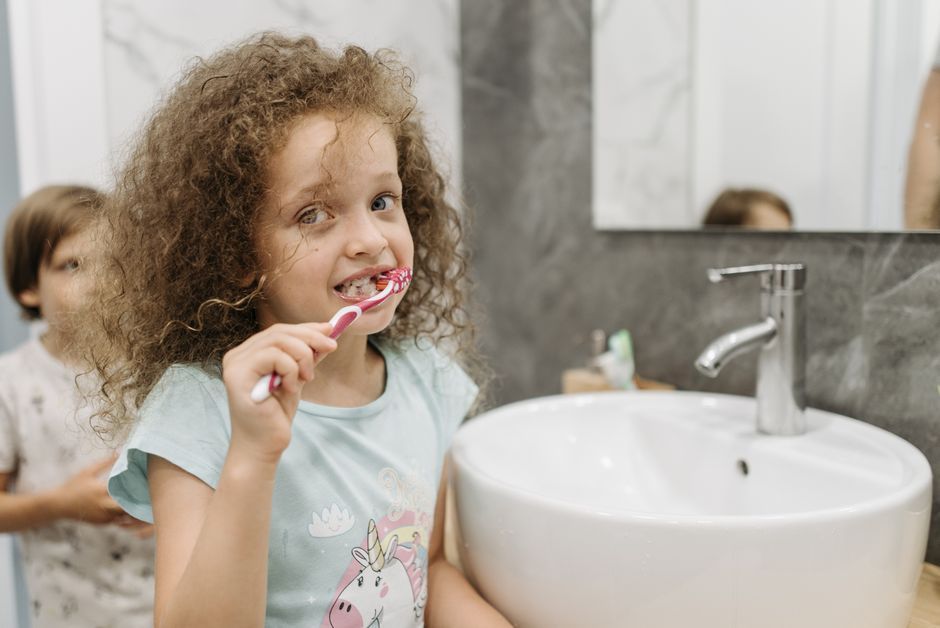
Effective home care requires consistency more than complexity. Children should brush twice daily for two minutes using age-appropriate fluoride toothpaste. For children under three, use only a rice-grain-sized amount; children three and older can use a pea-sized amount. Young children need active adult assistance and supervision, while older elementary-age children benefit from periodic checks to ensure quality brushing. Most children develop independent brushing capability around age seven or eight, though individual readiness varies.

Transform brushing from a daily battle into an enjoyable routine through creative approaches. Use two-minute timers with fun visuals, play favorite songs, create reward systems celebrating consistency, or establish family brushing times where everyone cares for their teeth together. Electric toothbrushes designed for children often increase engagement through built-in timers, gentle vibrations, and appealing designs. The specific method matters less than establishing consistent, twice-daily brushing as an automatic, non-negotiable part of your family routine.

Flossing deserves equal attention despite often being overlooked. Start flossing as soon as two teeth touch each other. For young children, colorful floss picks make the process easier and more appealing. Flossing removes plaque and food from between teeth where brush bristles cannot reach, preventing cavities in these vulnerable areas. Teaching proper technique early establishes lifelong protective habits. Consider making dental care a shared family activity—children learn powerfully by observing and imitating parents who prioritize oral health.

Nutrition Strategies for Healthier North Shore Smiles

What Lynnfield children eat significantly affects their dental health. Strategic nutritional choices protect teeth while supporting overall growth. Focus on tooth-friendly foods: cheese neutralizes harmful acids, crunchy vegetables naturally clean teeth, dairy products provide essential calcium, lean proteins support tissue health, and fresh fruits offer natural sweetness with beneficial nutrients. These wholesome choices support both dental and general health without requiring elimination of all treats.

Make water the primary beverage throughout each day. Water rinses away food particles, dilutes acids, stimulates protective saliva production, and—when fluoridated as Lynnfield's water is—actively strengthens tooth enamel. Limit fruit juice despite its healthy reputation; juice concentrates natural sugars without whole fruits' beneficial fiber. Minimize sports drinks, which combine high sugar with significant acidity that rapidly damages teeth, even during athletic activities.

Snacking patterns matter as much as food choices. Frequent snacking creates constant acid attacks on teeth. Rather than allowing unlimited grazing, establish set meal and snack times, giving teeth recovery periods. When children do enjoy treats—and moderate treats are fine—serving them with meals works best because increased saliva flow during meals helps wash away sugars and neutralize acids effectively. These strategic timing adjustments significantly reduce cavity risk without major dietary restrictions.

Lynnwood Family Dental: Your North Shore Partner in Children's Dental Health

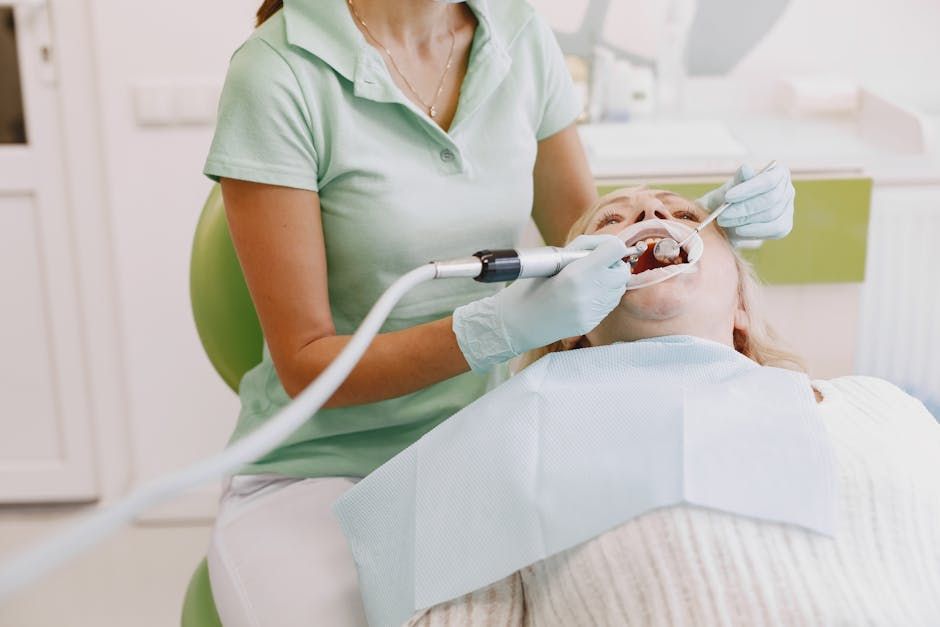
This Children's Dental Health Month provides an excellent opportunity to evaluate your family's oral care habits and schedule professional checkups for your children. Combining regular dental visits with excellent home care creates the foundation for lifelong dental health. Our Lynnfield team specializes in making children feel comfortable, valued, and confident during their visits, understanding that positive early experiences shape attitudes toward oral healthcare for years to come.

Ready to make this February truly count for your children's dental health? Contact Lynnwood Family Dental today to schedule your family's checkups. Call us at (781) 592-1650 or visit our office at 62 Fox St, Fitchburg, MA 01420. Let's work together to make this Children's Dental Health Month the beginning of a lifetime of healthy, confident smiles for your North Shore family!
By Danny February 22, 2026
Lynnwood Family Dental explains the 2-2-2 Rule: brush twice daily, for two minutes each time, and visit our Lynnfield MA office twice a year for a healthier smile.
By Danny February 14, 2026
Explore the mouth-body connection and how your oral health directly impacts your heart. Lynnwood Family Dental in Lynnfield MA explains the research and what it means for you.
By Danny February 7, 2026
Discover smile makeover tips just in time for Valentine's Day. From teeth whitening to cosmetic dentistry, Lynnwood Family Dental in Lynnfield MA helps you look your best.
By Danny January 20, 2026
Master your dental insurance and maximize your benefits with expert guidance from Lynnwood Family Dental in Lynnfield MA. Learn coverage strategies, avoid common mistakes, and get the most value from your plan.
By skatragadda09 January 1, 2026
Looking for a dentist in Lynnfield, MA? Start 2026 with confidence! Discover why January is the perfect time to visit Lynnwood Family Dental and learn essential dental resolutions that will transform your smile this year.
By skatragadda09 December 28, 2025
Learn how to select the perfect toothbrush for every family member. Expert guidance on bristle types, manual vs electric options, sizing, and replacement schedules for optimal oral health.
By Gerald M June 22, 2019
Summer is finally here, and many people are finally going on their long-awaited vacations. Of course, nobody wants to have an issue with their teeth when they are away from home but being prepared for this type of issue can help you deal with it faster and get back to your vacation. Here are a few tips on how to handle a dental issue while you are on vacation. They always say that the best defense is a good offense. Make sure that you are up to date on your dental checkups before you leave on vacation. This will help you identify any small issues with your teeth that have the potential to turn into major problems while you are away. Not only will you have more peace of mind, but your dentist will have updated records just in case you do run into trouble. Of course, emergencies sometimes occur, even when you have taken all the right steps to prevent them. Keep contact information for your dentist with your travel documents and make sure that you have the office number in your phone. In many cases, your dentist will be able to help you solve your dental problem over the phone and help you get comfortable until you can come home and have an appointment. If you are out of the country, getting the dental care you need may be a bit more complicated, but it is still possible. Contact the US embassy to find a dentist who was trained in the United State. Cruise ships and resort hotels often have a list of providers for emergency dental services. Ask the concierge to help you set up an emergency appointment. When you are out of the country visiting friends or family, go with their best recommendation for dental care. In the hustle and bustle of preparing for a vacation, we often forget something as simple as packing a toothbrush. If you are stuck without a toothbrush and nowhere to get one, you can still take simple steps to clean your teeth. Rinse thoroughly with water to remove bacteria and sugars from the surface of your teeth. You can also put toothpaste on a washcloth until you are able to locate a proper toothbrush. When you do track one down, an ADA approved toothbrush is best but, if that isn’t possible, try to find one with soft bristles. Most of your favorite toothbrush brands can be purchased in any area of the world. Make sure that when you do pack your toothbrush, you do it with care. When we are at home, our toothbrushes have a chance to dry out. Bacteria won’t grow in a dry environment because it needs moisture to live. However, if you brush your teeth right before you leave, you might not have time to let it dry before you need to pack it. In this case, put your toothbrush in a clean plastic bag and keep it away from other items in your suitcase. As soon as possible, take your toothbrush out so that it can dry completely. Sugarless gum is one of the most important things you can keep on you for your dental health while you are traveling. For one thing, it will offer much-needed relief if you experience ear pressure during a plane takeoff or landing. However, sugarless gum can also help reduce your risk of cavities. If you are indulging in a lot of sweet treats during your vacation, chew a piece of sugarless gum afterward to protect your teeth. If you have a crown or bridge in your mouth that becomes loose during vacation, you can use sugar-free gum as a temporary hold until you can get to a dentist. It can also help as a temporary solution for tooth sensitivity when you’re on the road. Remember that not all areas where you travel will have water that is ideal for brushing your teeth. If you aren’t sure, pour bottled water onto your toothbrush instead. You do not want to have your vacation ruined by an illness as a result of ingesting contaminated local water. After your vacation, get right back to your normal oral hygiene routine. Spend some extra time brushing and flossing to make up for any lapses during your trip. Get back to healthy eating habits. There is no problem with indulging on vacation if you can get back to your normal habits when you get home. Looking for a Lynnfield, MA dentist ? Lynnwood Family Dental is now accepting new patients. For more information about our services or to request an appointment, click here .
By Gerald M June 15, 2019
We all know how expensive raising a family can be in today’s world. When you start adding dental bills into the mix, the costs can really start to get out of hand. Unfortunately for most parents, it is a do as I say world, but that is not how children work. They are like sponges and watch every move we make. More importantly to realize is the fact because parents are literally their world, they try to emulate everything mom and dad do as well. Keep that in mind when it comes to your oral health regimen because you need to set the example for your children and show them how to properly care for their teeth the moment they understand tasks like brushing and rinsing. Here are some tips to help ensure you keep your child’s dental health in check and maybe yours as well: Don’t Miss Dental Appointments – this is literally the most basic of oral hygiene regimens. You simply cannot afford to miss a dental appointment because what often happens is you start to become afraid to go for fear of what you may find out. Keep the appointment, period. Sweets Between Meals – ideally, you avoid sweets. But, let’s face facts, we like them just as much as our children do. When picking snacks for the children, try to pick snacks that are healthy and hand them a bottle of water with the snack. Instead of candy, try some frozen grapes or blueberries. Make a game of swishing water around in the mouth after they are done eating to reduce the residue on their teeth. That will suffice until you can get them home to brush. Drinks Before and After Bed – if you are like me, you tend to take a drink to bed with you. For many parents, this often means some type of fruit juice in a sippy cup for the children, which is a big mistake. All the sugar in the drink will be sitting in their mouth all night long eroding away at the tooth enamel. The nighttime drink should be water, period. Brushing Before Bed – getting kids to brush their teeth before bed can be a nightmare, but it is a must to ensure good oral health. Today, there are numerous children-themed toothpastes as well as cool toothbrushes that can be used to make it fun. Put an egg timer on the sink and if they brush for the entire two minutes, give them a reward. You have to make them want to brush their teeth because this is a habit that will last them a lifetime. Do you need to make a dental appointment for your children? If you are looking for a Lynnwood NH, dentist , Lynnwood Family Dental is accepting new patients. For more information about our services or to request an appointment, please click here .
By Gerald M June 8, 2019
If you make regular dental visits, you may sometimes notice your teeth are a bit more sensitive after getting treatment. These sensations usually fade over time, however, there are times when that sensitivity continues without abating. Today, we are going to look at how and why this happens as well as what you can do to address it. Deep Cleaning Will Impact Sensitivity For most people, the bi-annual visit to the dentist means the removal of bacteria under the guns and tartar that has calcified on and between the teeth. The dentist or oral hygienist will use a regular pick as well as a small water pressure tool to remove this. For more severe cases, a root planing is done, usually in quadrants (generally, you are also given a local to numb the area being cleaned). When this is done, is it not uncommon to experience sore gums, bleeding gums, and extra-sensitive teeth, especially after a planing is conducted. One of the reasons the teeth will often feel a bit more sensitive is because the plaque has been removed from the surface. These parts of the tooth are once again exposed to the elements. In a normal situation, the extra sensitivity should start to subside in a day or so, and everything should be normal within a few days, a week at the longest. As you brush your teeth, carefully, throughout the week, this will actually help the situation along. In the meantime, avoid eating excessively cold or hot food. When possible, use a straw to drink your liquids to avoid direct contact with the teeth. If the problem persists, however, you should contact your dentist to alert him or her of the situation. Taking Care of Teeth After a Deep Cleaning It is important to understand that even though you may be experiencing some extra sensitivity from your teeth and gums, you still need to maintain a regular oral health regimen, however, there will be some moderate changes in the usual activity. For instance, you should avoid flossing for a day or so to allow the gums to recover. If, however, you have a water flosser, you can reduce the setting and use it to massage the gums and remove loose particles from between the teeth. When brushing your teeth, be sure to use a tooth brush with soft bristles so as not to aggravate the situation further. As mentioned above, avoid liquids of extreme temperature and use a straw to drink when possible. Are you in need of a dental cleaning? If you are looking for a Lynnwood NH, Dentists , Lynnwood Family Dental is accepting new patients. To learn more about our service or to schedule an appointment, please click here .
By Gerald M June 2, 2019
For many individuals, their next dental appointment may be their first. A far too common thought process is if you are brushing twice daily and flossing, there is simply no need to go to the dentist. That, obviously, is wrong. Regardless of how strict of an oral hygiene regimen you have on your own, bi-yearly dental visits are imperative to ensure good oral health. Now, since it may have been some time since you last visited a dentist or it is your first visit, here are some tips on how to prepare for a visit to the dentist’s office: Learn How to Brush Properly For as long as most of us can remember, we have been brushing our teeth. The question is, though, are you brushing your teeth the right way? Here are the basics in how to brush your teeth properly: · Use soft-bristled brush · After adding toothpaste to the brush, place the brush at the gumline at a 45-degree angle and brush gums before brushing your teeth · When done along the gumline, focus on brushing the front of the teeth before doing the rear · The brush should move vertically across the teeth rather than horizontally (this helps remove plaque from all angles) · Ensure you reach the rear of your mouth to brush the molars (which are often missed, creating the biggest problems for dental visits) Flossing Properly After you have brushed and rinsed, it is time to floss. This will ensure the small food particles left behind and wedged between teeth and under gumlines are removed. Start flossing at the rear bottom, slipping the floss between the teeth and gently moving it upwards. Once the lower level is done, repeat the process on the upper level. For even better results, invest in a water flosser, as they are far more effective than using standard floss. Using Mouthwash The use of a proper mouthwash is just as vital as the first two steps. Today, there are so many varieties and brands, it is virtually impossible not to find something both effective and palatable. You may want to discuss a specific brand with your dentist to ensure you are using a mouthwash most compatible with your needs/concerns. When rinsing, swish a small amount of mouthwash around vigorously for about a minute, then spit out. Looking for a new L ynnfield NH dentist? Lynnfield Family Dental is now accepting new patients and we would love for you to become part of our dental family. For more information about our services or to make an appointment, please click here .