-1522x417-1920w.png)
Dental Anxiety: How to Stop Being Scared of the Dentist
Dental anxiety is far more common than most people realize — and it affects patients right here in Lynnfield, Wakefield, Reading, North Reading, Middleton, Peabody, and Saugus. Research consistently shows that more than a third of adults experience meaningful dental anxiety, and for roughly one in ten, the fear is severe enough to cause them to avoid the dentist entirely, sometimes for years or even decades. Many of these individuals know they need care. The barrier isn't knowledge — it's fear.
At Lynnwood Family Dental, we want to address that fear directly. Dental anxiety isn't a personality flaw or a sign of weakness — it's a real and understandable response that affects people across all backgrounds and walks of life. It's also something that can genuinely be overcome with the right support, the right information, and a dental team committed to your comfort. This post is for anyone who has been avoiding dental care because of anxiety. You're not alone, and there is a path forward.
Where Dental Anxiety Comes From
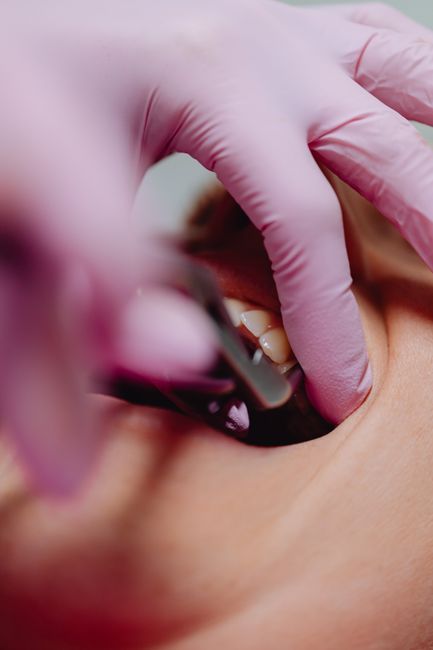
Dental fear almost always has roots. For most people, it traces back to a past experience — often in childhood — that was painful, frightening, or felt out of control. A procedure that hurt more than expected, a provider who seemed impatient or dismissive, or simply the sensation of being reclined in a chair while someone worked in your mouth without being able to communicate easily — these experiences leave a mark. The brain stores them as threat memories, and the sensory cues of a dental office years later can trigger those same feelings even when the current situation is entirely safe.
Other patients develop anxiety not from a specific memory but from a constellation of fears: fear of pain, fear of needles, fear of gagging, or a more general sense of vulnerability and loss of control. The mouth is an intimate part of the body, and placing trust in someone to work in it requires a level of comfort that doesn't always come naturally. These fears are completely understandable, and they deserve to be met with patience rather than dismissed as irrational.
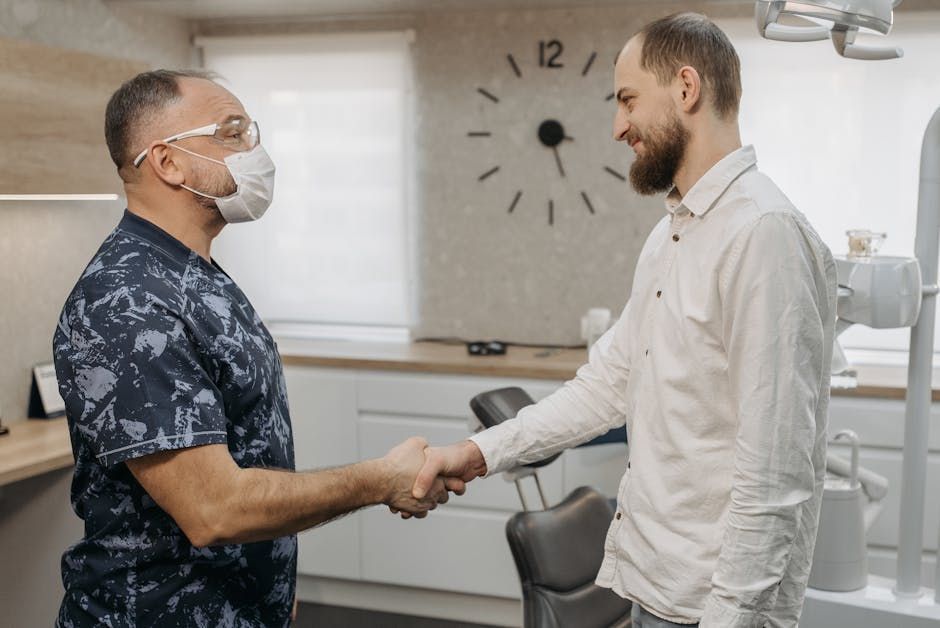
One of the most significant and least-discussed contributors to ongoing avoidance is shame. Patients who have been away for a long time often feel deeply embarrassed about the state of their teeth — and that embarrassment becomes its own barrier. They assume the dental team will judge them, and the anticipation of that judgment makes picking up the phone feel impossible. We want to say this clearly: at Lynnwood Family Dental, there is no judgment. Every patient who walks through our door is met with compassion and respect, regardless of how long it's been. Our job is to help you move forward, not to make you feel worse about the past.
Why Avoidance Makes It Harder — and How to Break the Cycle
One of the most difficult aspects of dental anxiety is that it tends to compound over time. The longer someone avoids dental care, the more problems develop quietly in the background — decay deepens, gum disease advances, small issues become larger ones. When the pain or visible problem finally forces a visit, there's more to address — which feels like confirmation that the dentist is indeed a place of bad news and difficult procedures. This reinforces the avoidance, and the cycle continues.
What most anxious patients don't realize is that this cycle can be broken at any point — and the sooner, the better. A tooth with early decay needs a simple filling. Left untreated for two more years, that same tooth may need a root canal and crown. Coming in sooner genuinely means less to deal with, less time in the chair, and a much easier experience overall. The path forward doesn't have to start with a full cleaning and exam. It can start with a simple conversation — a consultation visit where nothing happens except meeting the team, seeing the office, and talking through your concerns. Many patients find that this low-pressure first step is enough to change their entire relationship with dental care.
What Modern Dentistry Actually Feels Like
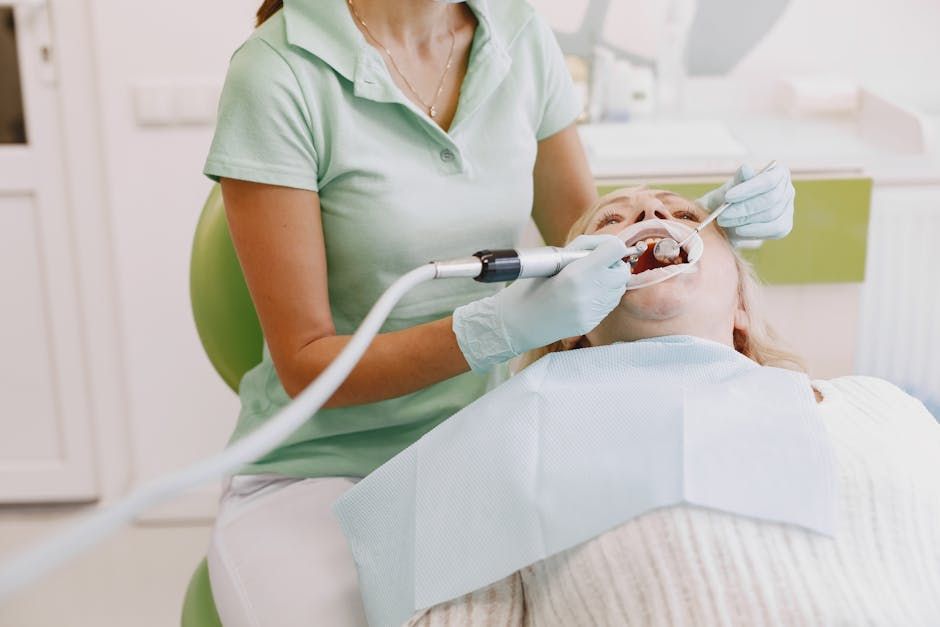
If your dental anxiety is based on experiences from years ago, one of the most important things to know is that dentistry today is genuinely different. Anesthetics are more effective and faster-acting. Instruments are quieter and less intrusive. Techniques are gentler. And the culture of how dental teams communicate with patients has shifted dramatically — toward transparency, consent, and patient comfort in ways that were far less common a generation ago.
The injection — usually the most feared part of any dental visit — has become significantly more comfortable with modern technique. Topical numbing gel is applied to the gum tissue before the needle, dramatically reducing the sensation. Slow, careful delivery and finer-gauge needles than were historically standard make the experience far more manageable than most patients anticipate. People who have spent years dreading "the shot" are frequently astonished to discover that it barely registered — the anticipation is almost always worse than the reality.
At Lynnwood Family Dental, we use a tell-show-do approach with anxious patients: we describe what we're about to do before we do it, show any instrument before it enters the mouth, and proceed only when the patient signals they're ready. Every anxious patient receives a clear stop signal — usually a raised hand — that immediately pauses everything, no explanation required. This simple agreement restores control, and many patients describe it as the single most reassuring change in how their visit feels.
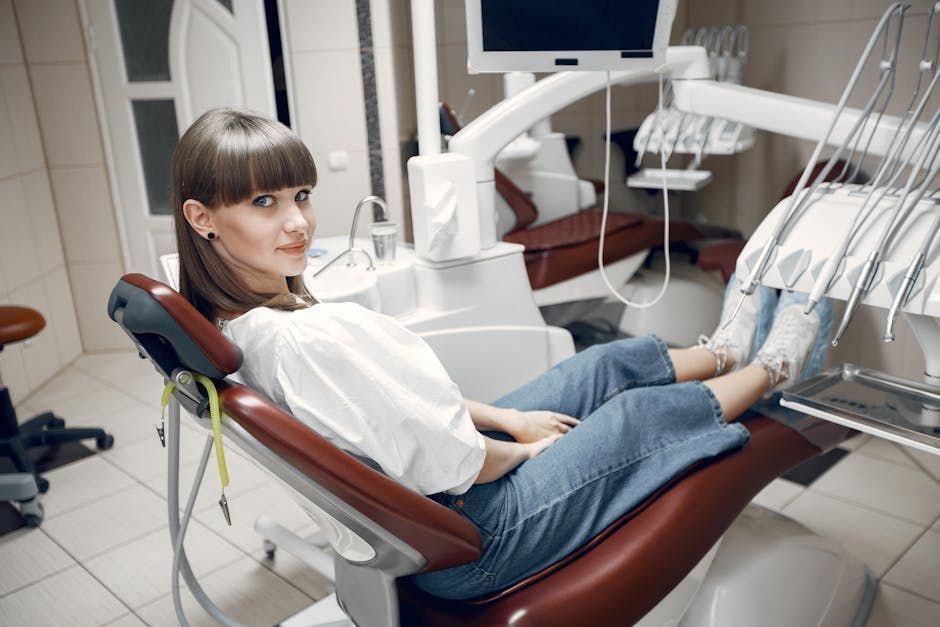
Practical Strategies That Make a Real Difference
Beyond what the dental team provides, there are several things anxious patients can do on their own. The most impactful is also the simplest: tell us. When you call to schedule, mention that you have dental anxiety. Even a brief note gives us important information we can use to slow down, explain more, and approach your visit with greater awareness of your comfort. You don't have to justify or explain your fear — just naming it helps.
Timing your appointment wisely also helps. Morning appointments are often better for anxious patients — there's less of the day to spend building up dread beforehand. Quieter appointment slots tend to feel calmer and less rushed than busy midday times. And bringing headphones with a playlist, podcast, or audiobook you love is one of the most consistently effective strategies anxious patients report. Creating your own sensory environment during the appointment can significantly reduce awareness of the sounds and activity around you. Many patients tell us it made all the difference.
Slow breathing is another readily available tool. Breathing in for four counts and exhaling slowly for six activates the body's parasympathetic nervous system — the calming counterpart to the stress response. Using this in the waiting room and during any procedure won't eliminate anxiety, but it can meaningfully reduce the physical intensity of it in real time. It's free, requires no preparation, and is available anytime you need it.
When More Support Is Needed
For patients whose anxiety is more significant, sedation options are available. Nitrous oxide — laughing gas — is a mild inhaled sedative that creates a feeling of calm relaxation and mild detachment from the procedure. It takes effect within minutes, wears off quickly after the mask is removed, and doesn't require someone to drive you home. Many patients who try nitrous oxide for the first time describe it as transformative — it's the first time they've been able to sit comfortably through a dental appointment in years, and the experience simply isn't as overwhelming as they expected.
For deeper anxiety or more complex procedures, oral sedation — a prescription medication taken before the appointment — provides greater relaxation while the patient remains conscious and able to respond. Discussing your anxiety level with our team is the right starting point for identifying whether sedation is appropriate and which approach fits your needs. There is no level of dental anxiety that disqualifies you from care — our goal is simply to help you access the care you need in a way that feels safe and manageable for you.
Lynnwood Family Dental
Dental fear is real, it's common, and it doesn't have to keep you from the care you deserve. Whether you've missed a few appointments or haven't seen a dentist in many years, we're here — without judgment, without pressure, and with a genuine commitment to making your experience as comfortable as possible. We're proud to serve patients throughout Lynnfield, Wakefield, Reading, North Reading, Middleton, Peabody, Lynn, Saugus, and across the greater Essex County area.
When you're ready, we're here. Contact Lynnwood Family Dental today. Call us at (781) 592-1650 or visit us at 15 Post Office Square, Lynnfield, MA 01940.