Why So Many Kids Are Getting Cavities (And How to Stop It)

Danny • March 21, 2026

Tooth decay is the most common chronic childhood disease in America — more prevalent than asthma and diabetes combined. And while many parents assume their children are protected as long as they brush daily, the reality is more nuanced. Families across Lynnfield, Wakefield, Reading, North Reading, Middleton, Peabody, and Saugus are seeing this trend up close, and they want to understand what's actually happening — and what they can do about it.

At Lynnwood Family Dental , we partner with families in Lynnfield and the surrounding communities to help children build healthy smiles that last a lifetime. The good news is that childhood cavities are largely preventable. Understanding the real drivers of tooth decay is the first step to stopping it.

Sugar in Unexpected Places

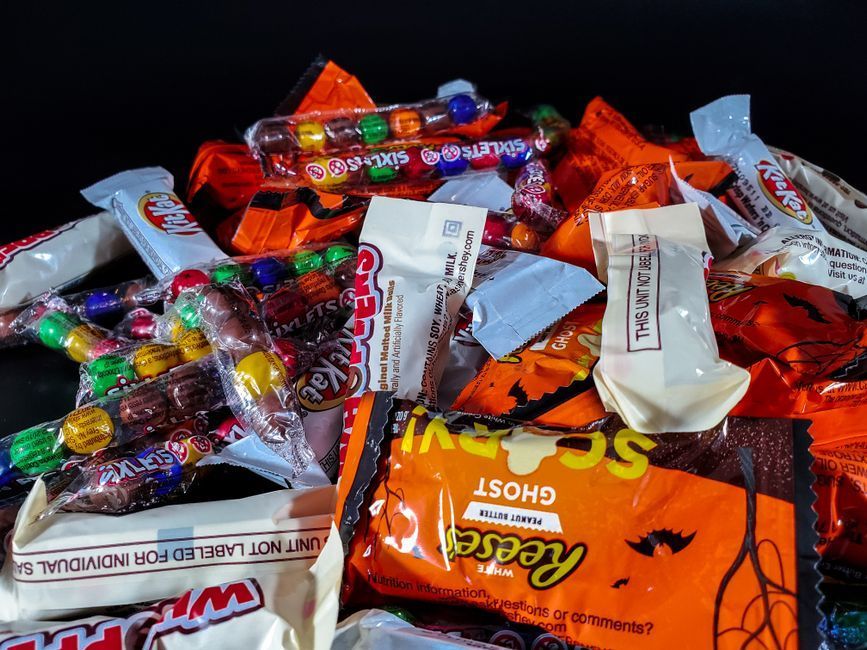
Ask most parents what causes cavities, and they'll mention candy or soda — and they're not wrong. But sugar is hidden in a much wider range of foods and drinks that appear on children's lunch tables and snack shelves every day. Juice boxes, sports drinks, flavored yogurts, granola bars, fruit pouches, and even whole-grain crackers all contain sugars that feed the bacteria responsible for tooth decay. What looks like a healthy snack can quietly be one of the biggest contributors to a child's cavity risk.

Here's the mechanism: each time a child consumes sugar, bacteria in the mouth produce acid that attacks tooth enamel for up to 20 minutes. One juice box with lunch is far less harmful than three or four sips of juice spread across the afternoon — because it's the frequency of exposure, not just the quantity, that drives decay. A child who grazes on snacks continuously throughout the day gives their teeth almost no opportunity to recover between acid attacks.

The most effective dietary strategy is straightforward: water between meals, and sugary foods or drinks reserved for mealtimes only. Fluoridated tap water is particularly beneficial — it actively strengthens enamel throughout the day and is free of sugar. For families in Lynnfield and neighboring communities throughout Essex County, access to municipal fluoridated water makes this one of the easiest and most powerful habits to implement.

The Brushing Gap: Why Kids Need More Help Than You Think

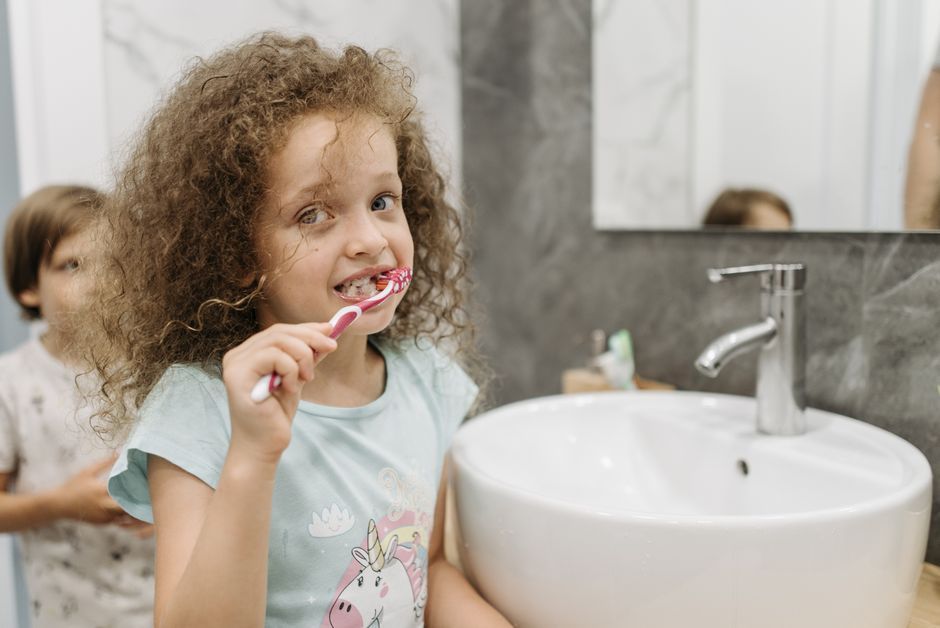
Brushing twice a day is essential — but brushing well is a skill that takes years to develop. Children under 7 or 8 simply don't have the fine motor coordination needed to clean all surfaces of their teeth effectively. They tend to scrub the front teeth, rush past the back molars, and ignore the gumline — the exact areas where plaque accumulates most aggressively and where cavities are most likely to form.

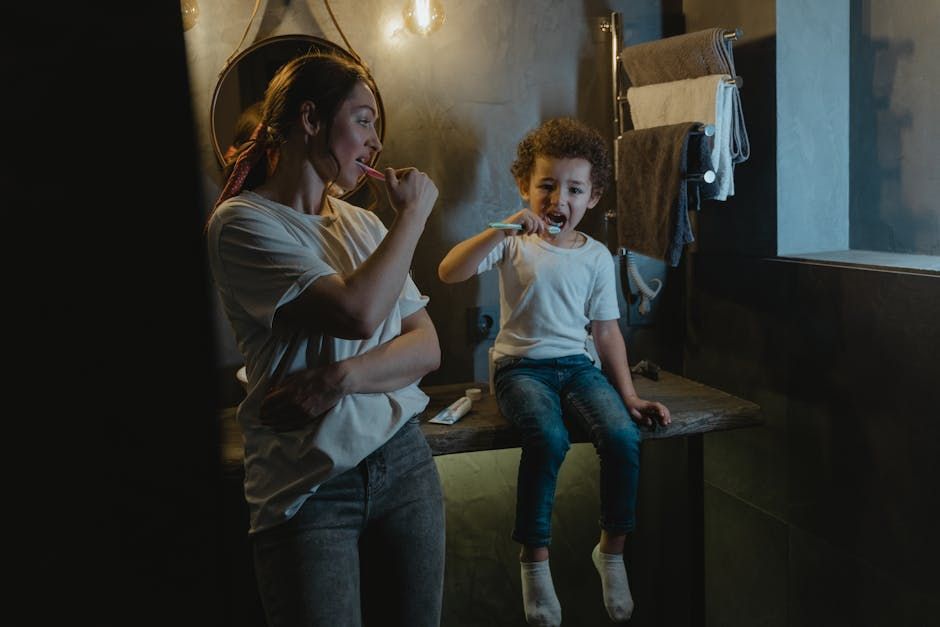
Dental professionals recommend that parents take an active role in brushing until around age 7 or 8. The most effective approach is to let children brush first to build independence and routine, and then follow up to ensure complete coverage of all tooth surfaces. Think of it as quality control — the child builds the habit, the parent makes sure it's working. This doesn't need to be a battle; it can be a natural part of the nighttime routine.

Fluoride toothpaste is also essential. Children under 3 should use a smear the size of a grain of rice; children 3 to 6 should use a pea-sized amount. Fluoride helps rebuild weakened enamel and can actually reverse very early-stage decay before it progresses to a true cavity. Make sure children spit after brushing rather than swallowing the toothpaste.

Baby Teeth Are More Important Than They Seem

One of the most pervasive and consequential myths in pediatric dental health is that baby teeth don't really matter because they'll fall out anyway. This belief leads many parents to deprioritize prevention and delay treatment for cavities in young children — and the consequences can ripple into adulthood.

Baby teeth serve as space holders for the permanent teeth developing beneath the gums and jawbone. When a baby tooth is lost prematurely due to decay, neighboring teeth shift and crowd into that gap. The permanent tooth that was supposed to emerge into that space may come in crooked, impacted, or crowded — often requiring orthodontic correction that would have been unnecessary had the baby tooth been preserved. Baby teeth also help children eat, speak clearly, and smile confidently during their formative years.

Beyond the structural function, there's a direct biological link between baby teeth and the developing permanent teeth below them. Untreated decay that spreads to the root of a baby tooth can damage or discolor the permanent tooth forming just beneath it. A cavity in a baby tooth is not just a today problem — it's a potential risk to the adult smile that's still years away from erupting. Treating and preventing baby tooth cavities is one of the highest-value investments a parent can make in their child's long-term dental health.

Sippy Cups and Bedtime Bottles: A Hidden Cause of Early Decay

For parents of infants and toddlers, two very common habits are responsible for a disproportionate share of early childhood cavities: using a sippy cup filled with milk or juice throughout the day, and allowing children to fall asleep with a bottle. In both situations, teeth remain in prolonged contact with sugary liquids — providing bacteria with a continuous supply of fuel and creating conditions ideal for rapid tooth decay.

The resulting condition — called baby bottle tooth decay or early childhood caries — can cause severe damage to a toddler's front teeth within a matter of months. What begins as small white spots can progress to significant decay across multiple teeth. Treating advanced cases in very young children often requires dental sedation, which is stressful, expensive, and entirely preventable. The solution: use sippy cups for water only between meals, serve milk at mealtimes, and if a child needs a bottle at bedtime, fill it with water alone.
Sealants and Fluoride Varnish: In-Office Prevention That Works

At Lynnwood Family Dental, we offer two of the most proven preventive treatments in pediatric dentistry: dental sealants and professional fluoride varnish. Dental sealants are thin protective coatings applied to the chewing surfaces of back molars — the teeth with the deepest grooves, which are nearly impossible to clean completely with a toothbrush and account for the majority of childhood cavities. Sealants fill those grooves and create a smooth, bacteria-resistant surface, reducing cavity risk in those teeth by up to 80 percent.

Professional fluoride varnish, applied in just a few minutes during a routine checkup, delivers a much stronger dose of fluoride than toothpaste can provide. For children who are cavity-prone, have recently had decay, or have limited access to fluoridated water, fluoride treatments at every checkup can significantly strengthen their enamel defenses between visits. Both treatments are quick, painless, and far less expensive than restoring a tooth that has already developed a cavity.

When Should Children Have Their First Dental Visit?

The American Academy of Pediatric Dentistry recommends a child's first dental visit by age 1, or within six months of their first tooth appearing. This timeline may surprise some parents — but early visits offer benefits that extend well beyond the appointment itself. They allow our team to identify any early signs of decay, give parents personalized guidance on diet and home care, and help children build positive, comfortable associations with dental care long before treatment is ever needed.

After the first visit, six-month checkups provide consistent monitoring, timely fluoride application, and sealant placement at the right developmental stages. Children who begin regular dental care early and maintain it consistently show markedly better long-term dental health outcomes than those who start later. Building these habits early is one of the most lasting gifts a parent can give.

Lynnwood Family Dental

Childhood cavities are on the rise in Massachusetts — but they're not inevitable. With the right habits at home and consistent preventive care at our office, most children can grow up with healthy, strong teeth and avoid the pain, expense, and anxiety of extensive dental treatment. We're proud to serve families throughout Lynnfield, Wakefield, Reading, North Reading, Middleton, Peabody, Lynn, Saugus, and the greater Essex County area.

Ready to schedule your child's next checkup or their first dental visit? Contact Lynnwood Family Dental today. Call us at (781) 592-1650 or visit our office at 15 Post Office Square, Lynnfield, MA 01940.


By Danny February 22, 2026
Lynnwood Family Dental explains the 2-2-2 Rule: brush twice daily, for two minutes each time, and visit our Lynnfield MA office twice a year for a healthier smile.
By Danny February 14, 2026
Explore the mouth-body connection and how your oral health directly impacts your heart. Lynnwood Family Dental in Lynnfield MA explains the research and what it means for you.
By Danny February 7, 2026
Discover smile makeover tips just in time for Valentine's Day. From teeth whitening to cosmetic dentistry, Lynnwood Family Dental in Lynnfield MA helps you look your best.
By Danny February 1, 2026
Lynnfield parents: Make this Children's Dental Health Month count with expert pediatric dental tips from Lynnwood Family Dental on the North Shore.
By Danny January 20, 2026
Master your dental insurance and maximize your benefits with expert guidance from Lynnwood Family Dental in Lynnfield MA. Learn coverage strategies, avoid common mistakes, and get the most value from your plan.
By skatragadda09 January 1, 2026
Looking for a dentist in Lynnfield, MA? Start 2026 with confidence! Discover why January is the perfect time to visit Lynnwood Family Dental and learn essential dental resolutions that will transform your smile this year.
By skatragadda09 December 28, 2025
Learn how to select the perfect toothbrush for every family member. Expert guidance on bristle types, manual vs electric options, sizing, and replacement schedules for optimal oral health.
By Gerald M June 22, 2019
Summer is finally here, and many people are finally going on their long-awaited vacations. Of course, nobody wants to have an issue with their teeth when they are away from home but being prepared for this type of issue can help you deal with it faster and get back to your vacation. Here are a few tips on how to handle a dental issue while you are on vacation. They always say that the best defense is a good offense. Make sure that you are up to date on your dental checkups before you leave on vacation. This will help you identify any small issues with your teeth that have the potential to turn into major problems while you are away. Not only will you have more peace of mind, but your dentist will have updated records just in case you do run into trouble. Of course, emergencies sometimes occur, even when you have taken all the right steps to prevent them. Keep contact information for your dentist with your travel documents and make sure that you have the office number in your phone. In many cases, your dentist will be able to help you solve your dental problem over the phone and help you get comfortable until you can come home and have an appointment. If you are out of the country, getting the dental care you need may be a bit more complicated, but it is still possible. Contact the US embassy to find a dentist who was trained in the United State. Cruise ships and resort hotels often have a list of providers for emergency dental services. Ask the concierge to help you set up an emergency appointment. When you are out of the country visiting friends or family, go with their best recommendation for dental care. In the hustle and bustle of preparing for a vacation, we often forget something as simple as packing a toothbrush. If you are stuck without a toothbrush and nowhere to get one, you can still take simple steps to clean your teeth. Rinse thoroughly with water to remove bacteria and sugars from the surface of your teeth. You can also put toothpaste on a washcloth until you are able to locate a proper toothbrush. When you do track one down, an ADA approved toothbrush is best but, if that isn’t possible, try to find one with soft bristles. Most of your favorite toothbrush brands can be purchased in any area of the world. Make sure that when you do pack your toothbrush, you do it with care. When we are at home, our toothbrushes have a chance to dry out. Bacteria won’t grow in a dry environment because it needs moisture to live. However, if you brush your teeth right before you leave, you might not have time to let it dry before you need to pack it. In this case, put your toothbrush in a clean plastic bag and keep it away from other items in your suitcase. As soon as possible, take your toothbrush out so that it can dry completely. Sugarless gum is one of the most important things you can keep on you for your dental health while you are traveling. For one thing, it will offer much-needed relief if you experience ear pressure during a plane takeoff or landing. However, sugarless gum can also help reduce your risk of cavities. If you are indulging in a lot of sweet treats during your vacation, chew a piece of sugarless gum afterward to protect your teeth. If you have a crown or bridge in your mouth that becomes loose during vacation, you can use sugar-free gum as a temporary hold until you can get to a dentist. It can also help as a temporary solution for tooth sensitivity when you’re on the road. Remember that not all areas where you travel will have water that is ideal for brushing your teeth. If you aren’t sure, pour bottled water onto your toothbrush instead. You do not want to have your vacation ruined by an illness as a result of ingesting contaminated local water. After your vacation, get right back to your normal oral hygiene routine. Spend some extra time brushing and flossing to make up for any lapses during your trip. Get back to healthy eating habits. There is no problem with indulging on vacation if you can get back to your normal habits when you get home. Looking for a Lynnfield, MA dentist ? Lynnwood Family Dental is now accepting new patients. For more information about our services or to request an appointment, click here .
By Gerald M June 15, 2019
We all know how expensive raising a family can be in today’s world. When you start adding dental bills into the mix, the costs can really start to get out of hand. Unfortunately for most parents, it is a do as I say world, but that is not how children work. They are like sponges and watch every move we make. More importantly to realize is the fact because parents are literally their world, they try to emulate everything mom and dad do as well. Keep that in mind when it comes to your oral health regimen because you need to set the example for your children and show them how to properly care for their teeth the moment they understand tasks like brushing and rinsing. Here are some tips to help ensure you keep your child’s dental health in check and maybe yours as well: Don’t Miss Dental Appointments – this is literally the most basic of oral hygiene regimens. You simply cannot afford to miss a dental appointment because what often happens is you start to become afraid to go for fear of what you may find out. Keep the appointment, period. Sweets Between Meals – ideally, you avoid sweets. But, let’s face facts, we like them just as much as our children do. When picking snacks for the children, try to pick snacks that are healthy and hand them a bottle of water with the snack. Instead of candy, try some frozen grapes or blueberries. Make a game of swishing water around in the mouth after they are done eating to reduce the residue on their teeth. That will suffice until you can get them home to brush. Drinks Before and After Bed – if you are like me, you tend to take a drink to bed with you. For many parents, this often means some type of fruit juice in a sippy cup for the children, which is a big mistake. All the sugar in the drink will be sitting in their mouth all night long eroding away at the tooth enamel. The nighttime drink should be water, period. Brushing Before Bed – getting kids to brush their teeth before bed can be a nightmare, but it is a must to ensure good oral health. Today, there are numerous children-themed toothpastes as well as cool toothbrushes that can be used to make it fun. Put an egg timer on the sink and if they brush for the entire two minutes, give them a reward. You have to make them want to brush their teeth because this is a habit that will last them a lifetime. Do you need to make a dental appointment for your children? If you are looking for a Lynnwood NH, dentist , Lynnwood Family Dental is accepting new patients. For more information about our services or to request an appointment, please click here .
By Gerald M June 8, 2019
If you make regular dental visits, you may sometimes notice your teeth are a bit more sensitive after getting treatment. These sensations usually fade over time, however, there are times when that sensitivity continues without abating. Today, we are going to look at how and why this happens as well as what you can do to address it. Deep Cleaning Will Impact Sensitivity For most people, the bi-annual visit to the dentist means the removal of bacteria under the guns and tartar that has calcified on and between the teeth. The dentist or oral hygienist will use a regular pick as well as a small water pressure tool to remove this. For more severe cases, a root planing is done, usually in quadrants (generally, you are also given a local to numb the area being cleaned). When this is done, is it not uncommon to experience sore gums, bleeding gums, and extra-sensitive teeth, especially after a planing is conducted. One of the reasons the teeth will often feel a bit more sensitive is because the plaque has been removed from the surface. These parts of the tooth are once again exposed to the elements. In a normal situation, the extra sensitivity should start to subside in a day or so, and everything should be normal within a few days, a week at the longest. As you brush your teeth, carefully, throughout the week, this will actually help the situation along. In the meantime, avoid eating excessively cold or hot food. When possible, use a straw to drink your liquids to avoid direct contact with the teeth. If the problem persists, however, you should contact your dentist to alert him or her of the situation. Taking Care of Teeth After a Deep Cleaning It is important to understand that even though you may be experiencing some extra sensitivity from your teeth and gums, you still need to maintain a regular oral health regimen, however, there will be some moderate changes in the usual activity. For instance, you should avoid flossing for a day or so to allow the gums to recover. If, however, you have a water flosser, you can reduce the setting and use it to massage the gums and remove loose particles from between the teeth. When brushing your teeth, be sure to use a tooth brush with soft bristles so as not to aggravate the situation further. As mentioned above, avoid liquids of extreme temperature and use a straw to drink when possible. Are you in need of a dental cleaning? If you are looking for a Lynnwood NH, Dentists , Lynnwood Family Dental is accepting new patients. To learn more about our service or to schedule an appointment, please click here .