-1522x417-1920w.png)
What to Do When a Crown Falls Off
You're mid-meal, chewing something completely normal, and suddenly there's something hard and unexpected in your mouth. You pull it out and realize — it's your dental crown. The tooth underneath feels naked, sensitive, exposed. What do you do?
At Lynnwood Family Dental, we serve patients throughout Lynnfield, Wakefield, Reading, North Reading, Middleton, Peabody, Saugus, and the surrounding Essex County area — and a dislodged crown is one of the most common dental emergencies we hear about. In the vast majority of cases, this situation is very fixable, often in a single appointment. But what you do in the hours before you can get in to see us matters. Here's exactly what you need to know.
First Things First: Find It, Protect It, Call Us
Your immediate priority is to locate the crown. It may still be in your mouth, it may be in your food, or it may have landed on your plate. Pick it up carefully and rinse it gently under warm running water to remove any food residue. Don't scrub it with a toothbrush, and don't use soap or any cleaning product — just a gentle rinse under warm water is all it needs. Then examine it in good light: if the crown appears structurally intact — no cracks, chips, or obvious damage — there's a solid chance your dentist can recement it rather than fabricating a new one from scratch. That's the best outcome and it's a common one. Keep the crown safe in a zip-lock bag or small container and bring it with you to your appointment.
Call our office as soon as possible. We do our best to accommodate crown emergencies on the same day or the next morning — we know how uncomfortable and stressful an exposed tooth feels, and we don't want you sitting with it any longer than you have to. If you reach our voicemail after hours, leave your name, number, and a brief description ("my crown came off") so we can prioritize your callback. Don't wait a few days hoping it will resolve itself — it won't, and delay increases risk.
The tooth underneath your crown has been prepared: it was deliberately shaped and reduced to accommodate the crown, which means it's narrower and structurally different from a natural tooth. Without the crown protecting it, it's vulnerable to fracture under normal biting forces, to temperature sensitivity, and to accelerated decay. Protecting it and getting in quickly are the two most important things you can do right now.

Managing the Tooth Until Your Appointment
Over-the-counter temporary dental cement is available without a prescription at most pharmacies — look for brands like Dentemp, Recapit, or TempBond in the oral care aisle. These products are specifically designed for exactly this situation: they allow you to temporarily reseat the crown over the exposed tooth, significantly reducing sensitivity and providing some structural protection until you're seen professionally.
To use temporary cement correctly: ensure both the tooth and the inside of the crown are completely dry before you begin — moisture will prevent it from setting properly. Apply a small, pea-sized amount inside the crown, carefully position the crown over the tooth (it should feel like it's seating naturally in the right position), and bite down gently and evenly to press it firmly into place. Wipe away any excess that emerges around the edges. Then leave it — don't try to adjust or reposition it after it's been seated. Temporary cement is not designed to hold through hard or chewy foods, so stick to soft options only: yogurt, oatmeal, scrambled eggs, soft bread, bananas, soup. Chew entirely on the opposite side of your mouth.
For sensitivity and discomfort, ibuprofen or acetaminophen in their standard doses are appropriate while you wait. Clove oil — typically found in the oral care or natural health section of pharmacies — can be applied sparingly to the exposed tooth surface with a cotton swab for mild temporary numbing. And one critical warning: do not use super glue, epoxy, nail glue, or any non-dental adhesive to reattach the crown. These products bond chemically in ways that can permanently damage the tooth enamel and the interior of the crown, and they can turn a straightforward recementation into a significantly more complicated and expensive procedure for your dentist.
Why Crowns Come Off
Crowns don't fall off randomly — there's almost always an identifiable cause. The most common is cement failure over time. Dental cement is durable, but it's not designed to last indefinitely. Over years of exposure to chewing forces, the acids in food and beverages, and the constant thermal expansion and contraction from eating hot and cold foods, the cement bond gradually weakens. A crown that has been in place for ten or more years is the most likely candidate for this kind of cement fatigue — the bond has simply aged past its reliable lifespan.
Decay underneath the crown is another very common and often surprising cause. Many patients assume that a crowned tooth is safe from decay, but bacteria can infiltrate the margin where the edge of the crown meets the tooth and begin eroding the tooth structure beneath it. As the tooth structure diminishes, the crown's foundation weakens, and eventually it loosens. Decay underneath a crown almost never causes noticeable symptoms until it's well advanced — which is exactly why we take X-rays of crowned teeth during routine checkups. X-rays catch this problem at a stage where it's much more manageable than waiting for symptoms to appear.
Teeth grinding (bruxism) is a third significant contributor. People who grind or clench at night exert forces on their crowns that far exceed what normal chewing generates — and repeated stress over years accelerates fatigue in the cement bond. If grinding is a factor for you, a custom-fitted night guard can dramatically extend the life of your crowns and other restorations. It's one of the better investments available for protecting your dental work long-term.
What Your Appointment Will Look Like
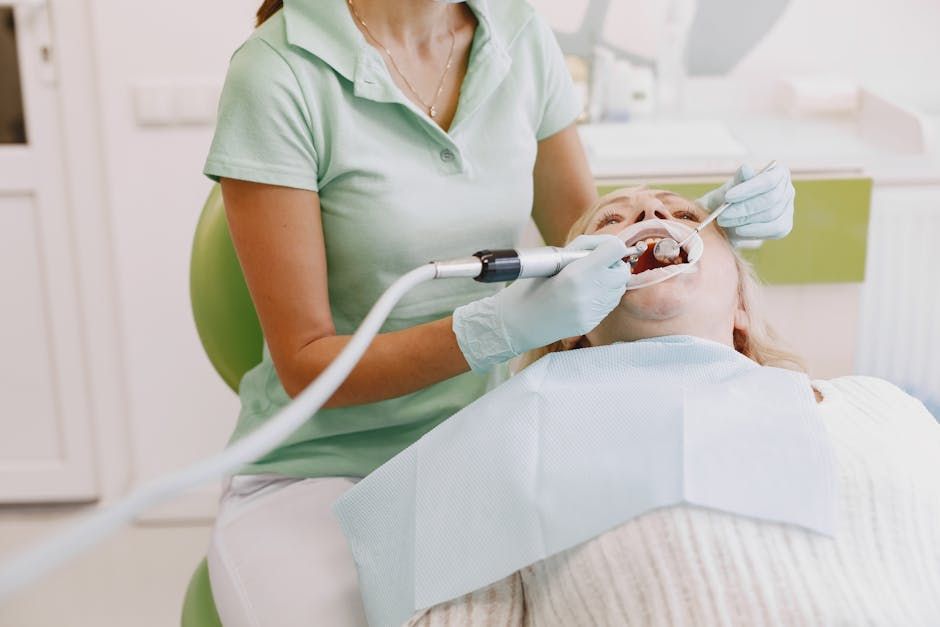
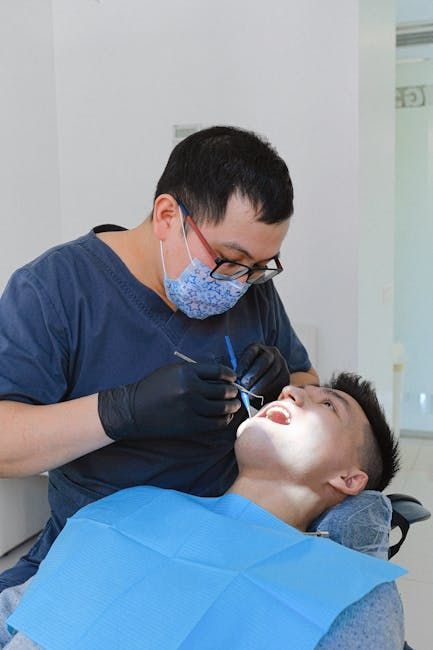
When you come in with a dislodged crown, we start with a careful evaluation of both the crown and the underlying tooth. We assess whether the crown is intact and can simply be cleaned and recemented, or whether it has been damaged or compromised and needs to be replaced. We also carefully examine the tooth: checking for new decay at the margin, evaluating the remaining tooth structure for any cracks or fractures, and taking an X-ray if we need a clearer picture of what's happening below the surface.
If everything looks good — the crown is undamaged and the tooth is healthy — recementation is a quick, typically single-appointment procedure. We clean and dry both the tooth and the inside of the crown thoroughly, apply fresh permanent dental cement, seat the crown, check your bite and make any needed adjustments, and you're done. We'll give you specific aftercare guidance: what foods to avoid for the first 24 hours and what to watch for. If the crown needs replacement or if there's decay or other damage to address first, we'll discuss the options clearly and place a temporary crown to protect the tooth while the new permanent crown is being fabricated at our dental lab — usually within one to two weeks.
Lynnwood Family Dental
A crown falling off is jarring, but it's one of the most manageable dental situations there is — as long as you act promptly. Protect the tooth, call us, and let our team take care of the rest. We're proud to serve patients throughout Lynnfield, Wakefield, Reading, North Reading, Middleton, Peabody, Lynn, Saugus, and the greater Essex County area.
Crown came off? Call us right away. Contact Lynnwood Family Dental for a prompt appointment. Call us at (781) 592-1650 or visit us at 15 Post Office Square, Lynnfield, MA 01940.