-1522x417-1920w.png)
Why You Shouldn't Skip Your 6-Month Dental Cleaning
For families across Lynnfield and the surrounding North Shore communities, keeping up with dental cleanings can get lost in the shuffle of busy schedules. When teeth look fine and nothing hurts, a six-month cleaning can feel low priority. But at Lynnwood Family Dental, we serve patients from Lynnfield, Wakefield, Reading, North Reading, Middleton, Peabody, Lynn, and Saugus — and we consistently see how much of a difference a regular cleaning schedule makes, both for oral health outcomes and for keeping dental care predictable and affordable over time.
The six-month cleaning is the most cost-effective thing most people can do for their long-term dental health. It's not about being overly careful. It's about getting ahead of the quiet, painless processes that turn small problems into expensive ones — before they have the chance to reach that point.
What's Actually Happening During Your Cleaning Visit
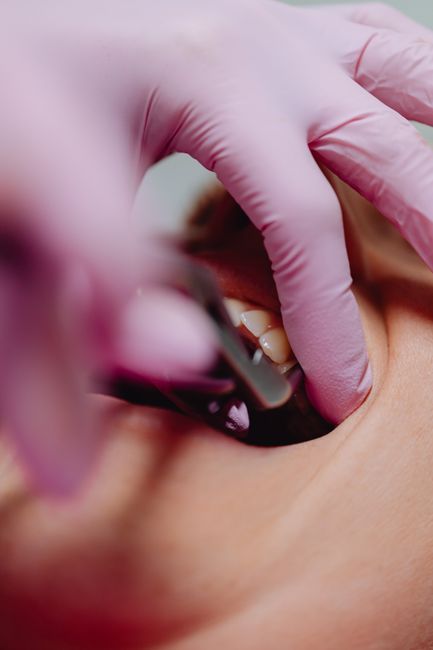
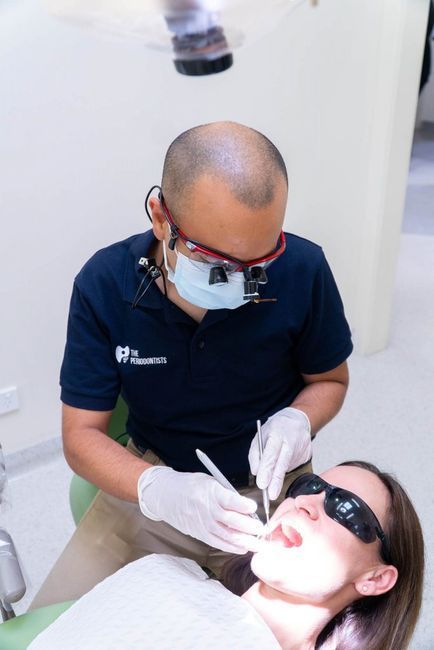
Most patients know that a cleaning involves some scraping and polishing. But the clinical scope of what happens during that appointment goes significantly beyond surface cleaning. The primary work your hygienist is doing is removing tartar — the hardened mineral deposits that form when plaque is not completely cleared through daily brushing and flossing. Once plaque calcifies into tartar, it adheres firmly to the tooth surface above and below the gumline. No home care routine can remove it. Only professional scaling instruments can safely clear it without damaging enamel.
Throughout the appointment, your hygienist also carefully measures the depth of the pockets between your teeth and gums at multiple points around each tooth. These measurements are the earliest clinical indicator of gum disease — typically showing changes well before any visible redness, bleeding, or discomfort you'd notice at home. Healthy pockets are shallow and stable. Pockets that increase in depth signal early inflammation or the beginning of gum disease, and catching that trend at a routine visit means a simple, non-invasive response. Catching it a year or two later, when the change is more advanced, typically requires more significant treatment.
Your dentist's exam includes an oral cancer screening at every visit — a thorough visual and tactile check of the soft tissues in your mouth, throat, and jaw. This screening is quick, but it's clinically important. Oral cancer is highly treatable in its earliest stages and frequently shows no pain or visible symptoms until it's well advanced. Routine dental exams are one of the primary ways early-stage oral cancer gets found. Skipping appointments means skipping this critical safety check.
The Financial Reality of Skipping
Cost is one of the most common reasons patients delay dental cleanings — but the financial math actually runs strongly in favor of staying on schedule. A preventive cleaning is among the least expensive appointments in all of dentistry. A cavity filling costs several times more. A root canal or crown can cost many times more. The large dental bills that feel stressful and disruptive are almost always the result of problems that were small and inexpensive to address at an earlier stage — and simply weren't caught because appointments were missed.
Gum disease follows this cost escalation pattern most clearly. Caught at the gingivitis stage, it requires nothing more than a professional cleaning and improved home care — the problem is fully reversed. Left untreated, it progresses to periodontitis: a condition involving permanent bone and tissue destruction. At that stage, treatment involves deep cleaning procedures, more frequent monitoring appointments, and sometimes surgical referral. The bone that's lost cannot be regrown. Preventing that progression is one of the most tangible benefits of consistent preventive care.
Patients from Lynnfield, Wakefield, and Reading often tell us they figured that since nothing was bothering them, things were probably fine. Dental disease is quiet by nature. Cavities are painless until they reach the nerve. Gum disease rarely causes significant discomfort until it's moderate or advanced. By the time you feel something, the easy treatment window has typically already passed. The six-month interval is designed to catch things while they're still easy.
Oral Health and the Rest of Your Health
One of the most meaningful developments in dental and medical research over the past two decades is the growing evidence connecting oral health to systemic health. Chronic gum disease has been linked to elevated risk of cardiovascular disease, stroke, type 2 diabetes complications, respiratory infections, and adverse pregnancy outcomes. The bacteria that flourish in an inflamed, infected mouth can enter the bloodstream and trigger inflammatory responses in other organ systems throughout the body.
For patients managing diabetes or cardiovascular conditions, this connection is especially worth understanding. Gum disease and blood sugar dysregulation worsen each other in a well-documented feedback cycle — meaning that managing your gum health is a legitimate component of managing your diabetes, not a separate concern. Physicians and dentists increasingly recommend consistent preventive dental care as part of a comprehensive approach to managing these conditions.
At Lynnwood Family Dental, we review your health history at every visit and ask about any recent changes — medications, diagnoses, or health developments that might affect how we approach your care. We're not just focused on your teeth. We're part of your broader health picture, and staying current with your cleanings helps us serve you more effectively as a whole-health partner.
Building the Habit That Keeps You on Track
The single most effective thing you can do to stay on your cleaning schedule is to book your next appointment before you leave the office. It takes thirty seconds and dramatically reduces the likelihood of falling behind. Life fills up quickly — appointments that need to be called in later have to compete with everything else on your plate. When your next visit is already on the calendar, it simply happens. Patients who consistently do this almost never fall off their schedule.
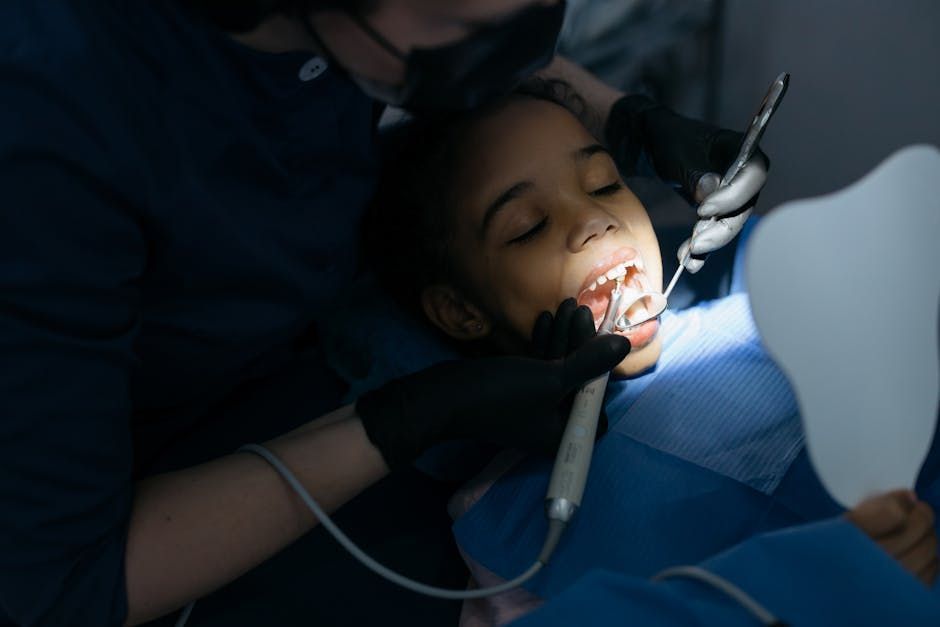
If dental anxiety has been a factor in avoiding or delaying appointments, please let us know when you call. Our team at Lynnwood Family Dental works with nervous patients regularly and is happy to walk you through exactly what to expect, go at whatever pace feels comfortable, and discuss any accommodations that help. Many patients who've been dreading a return visit after a long gap find the appointment much easier than they anticipated — especially for a routine cleaning.
It's also worth knowing that regular appointments are genuinely more comfortable than catch-up appointments. Less buildup to remove means a shorter visit, less chair time, and minimal sensitivity afterward. The longer the gap between cleanings, the more there is to address and the more likely you are to feel some soreness for a day or two after. Consistency keeps the experience easier and more pleasant over time.
Lynnwood Family Dental — Lynnfield's Preventive Care Team
Two visits a year is a small commitment for a lifetime of healthy teeth and gums. The six-month cleaning is your most reliable defense against cavities, gum disease, and oral cancer — and the most affordable appointment in your dental care calendar. It keeps small problems small and keeps your smile healthy for years to come.
Ready to schedule? Contact Lynnwood Family Dental today to book your cleaning and exam. We welcome patients from Lynnfield, Wakefield, Reading, North Reading, Middleton, Peabody, Lynn, and Saugus. Call us at (781) 592-1650 or visit us at 15 Post Office Square, Lynnfield, MA 01940. Learn more about our preventive dentistry services and how we keep Essex County families smiling all year long.